
Selecting the Right User Role
When writing user stories, one of the first considerations is who to write the user story for. Despite the name--user stories--it is sometimes beneficial to write stories for someone other than the user. No, I don’t necessarily mean we want a bunch of “programmer stories.” Those are generally best avoided. Rather, I’m referring to writing what we may want to call “customer stories.”
As an example, I am currently working as the product owner on a website that will include display ads on some of the pages. I could write stories such as:
- As a site visitor, I want to see ads so that when I click on them the site owner makes money and is able to continue funding the site.
This is a valid story but it’s pretty far from something a user really wants. It sounds false to me. Even though it’s not a true user story, I would prefer to write:
- As the company owner, I want ads on the site so that I make money when users click on them.
That certainly has a greater ring of truth to it! If you don’t like company owner, I think it could just as well be the company, product owner or anything like that.
A similar question I was recently posed had to do with a company selling prepaid gift cards. Should user stories here be written from the perspective of the card holder redeeming the gift or from the perspective of the company that accepts the card.
-
As a merchant, we can accept gift cards for all transactions
-
As a cardholder, I can redeem a gift card at the store through which it was offered. (There could be additional complexities here as cards could be to a specific mall, rather than store. But those complexities aren’t important to this discussion.)
I consider these stories to be semantically equivalent. Neither one tells me any more about the cardholder’s goals. So I think either works. There will, however, be some related stories that seem better one way. For example, consider these:
-
As a cardholder, I can check the balance on a gift card by asking a clerk at the merchant.
-
As a merchant, I can inform a cardholder of the remaining balance on a gift card.
Although either of these could work, I have a slight preference for the first one because it cardholder is the initiator of the action of this story. I’d like the first story even better if I could make it more general:
- As a cardholder, I can check the balance on a gift card so that I know how much I have left to spend.
And then add conditions of satisfaction to the story:
-
Must be able to check balance online by entering the card number
-
Must be able to check balance in a store by having a store employee swipe the card through a POS terminal.
-
Balance must be updated real-time.
So, while it’s important to think about the best user role to embed in the story, I find that most of the time the user is quite obvious. When it’s not, spend a little time thinking about the options and choose the one that feels most natural and best conveys the desired action.
AI Prompts for Writing Better User Stories
FeaturedCreate INVEST-ready stories, fast. This prompt pack captures Mike Cohn’s process for writing and refining user stories and makes it reusable with AI.

Writing User Stories
FeaturedA user story should help a team have the right conversation. The words matter, but only because they point the team toward the user, the goal, and the reason the work matters.
How Detailed Should a User Story Be?
FeaturedCapturing too much or too little detail in a user story causes problems. Here's how to get it right, iteratively.
User Story Template: What It Is and Why It Works So Well
Understand why the three-part user story template works and where it falls short.
Job Stories Offer a Viable Alternative to User Stories
As useful as user stories can be, they’ve never been right for every team. An exciting alternative for some teams is the job story.
Writing the Product Backlog Just in Time and Just Enough
Keep backlog detail just enough and just in time.
How to Use AI for Product Discovery and Writing Better User Stories
Use AI to support product discovery, user interviews, and writing better user stories.
The Two Ways to Add Detail to User Stories
User stories can be deliberately vague at first but detail needs to be added eventually. There are two ways to do that.
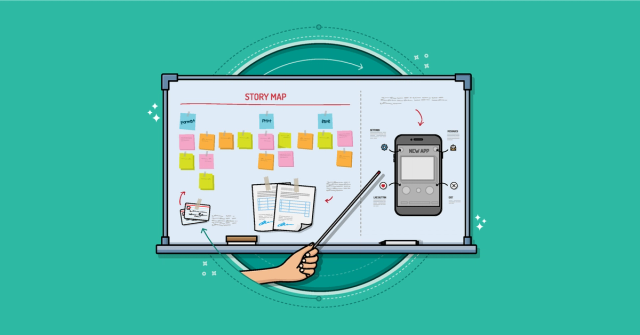
User Stories: How to Create Story Maps
Story maps help to create a shared understanding of the product, visualize user needs, and elicit user story ideas. Discover how to create your own.
What Product Owners Do & 7 Mistakes to Avoid
Use seven common product owner mistakes to spot where ownership, prioritization, or collaboration may be breaking down.
User Stories Explained: What They Are, How to Write Them, and Why They Work
What are user stories, how do you write them, and why do they work so well in agile development? In this talk, Mike Cohn explains the purpose of user stories, the problems they solve, and how teams can use them to create better conversations, clearer understanding, and better product decisions.
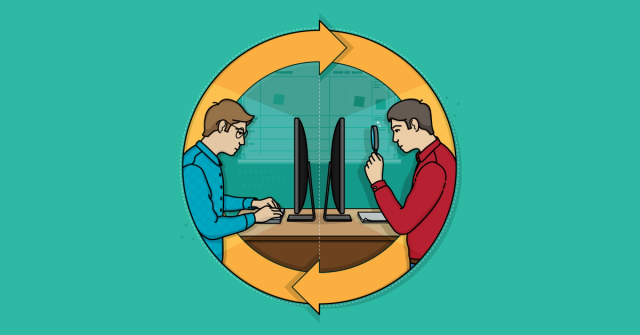
How Programmers and Testers (and Others) Should Collaborate on User Stories
What do the testers do at the start of a sprint when there’s nothing to test? That problem is solved through team collaboration.
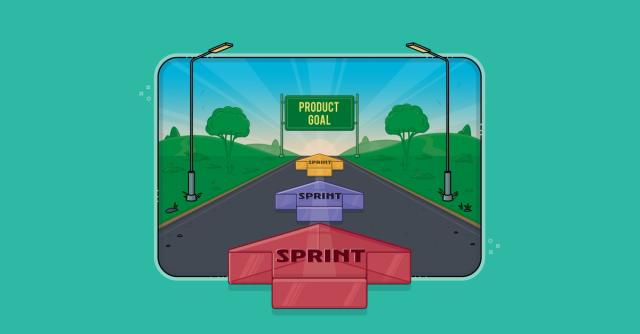
What Does a Product Owner Do, When, and Why?
Clarify what product owners do before work starts, during planning, and throughout each sprint.
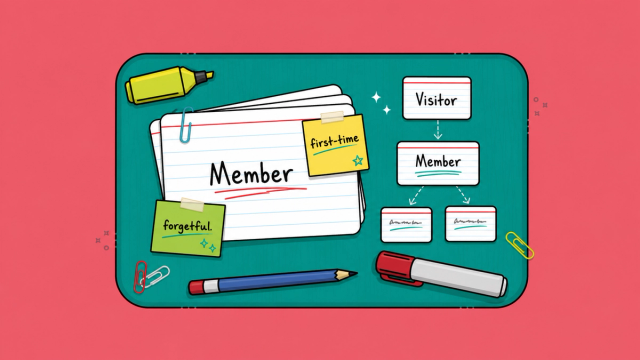
Adding Decorated User Roles to Your User Stories
Add context to user roles so stories describe needs with more precision.
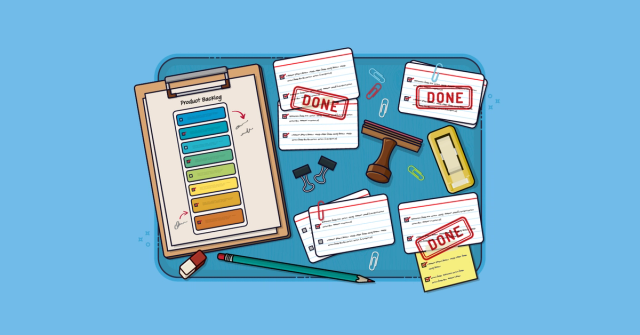
Relationship between Definition of Done and Conditions of Satisfaction
Clarify how Definition of Done and conditions of satisfaction work together.