
Should You Share Details from the Retrospective?
During a sprint retrospective, team members gather and discuss ways in which they can improve. This should include the ScrumMaster and product owner, as each is part of the team.

The team is not limited to finding improvements only within their process. They may, for example, decide they need to improve their skills with a given technology and to seek out training in that area.
A concern many teams have around the retrospectives is whether the improvements they identify should be shared with others or kept within the team.
I think it’s ideal when all retrospective results from all teams can always be shared. Transparency is, after all, a pillar on which the Scrum process is built. But as much as I would love a culture of openness to exist such that everything can always be shared with everyone, that is often not the case.
In my experience, most teams will have no issue making public most of the improvements they identify. The items will be predictable things often similar to those being done by other agile teams in the organization: get better at this, learn how to do that, figure out how to do more of this and how to do the other thing earlier each sprint.
Occasionally, however, a team may have something they don’t want to share. Some examples I’ve seen include:
-
Learn this new technology that is a bit astray from a stated corporate direction, but which the team thinks may have enough promise that they’d want to use it anyway
-
Clean up the code in this part of the system, which the product owner is aware of, but for some reason, they don’t want to advertise is bad enough that it needs significant refactoring
-
Find ways to work better with that other group, who if they read this would want to know why they were being singled out for a better relationship
I want to repeat that while transparency is a virtue for agile teams, not all agile teams may be there yet. While perhaps keeping the results of their next few retrospectives private, those teams can work on feeling more comfortable opening up in the future.
Similarly, sometimes making a planned improvement known can impact the ability to make that improvement. I think that’s the case with the last example above.
Posting that you want to work better with the marketing group may make the marketing group either resist the change, or want to know what’s wrong with them that you need to change.
(Of course, they could also be quite open to changing to improving the relationship, so I would always discuss the situation with someone in the other group.)
Making this very practical, at the end of each sprint, the team has a list of changes they have agreed to make. I like to ask the team if there are any objections to making the list public. If there are not, I will hang the list in the team room or add it to the team’s home page.
When there are objections, I will see if we can leave perhaps one item off the publicly displayed list—usually that’s sufficient.
In the end, Scrum teams should have the courage to be transparent about their planned improvements whenever possible. But, occasionally there is more to be gained by keeping a retrospective item or two private.

New To Agile Or Scrum
FeaturedAgile helps teams deliver value sooner, learn faster, and adapt when plans change. Use this guide to understand what agile is, how it differs from Scrum, when agile helps, and where to go next if you are just…

The Sprint Retrospective: The Scrum Team
FeaturedExplore The Sprint Retrospective: The Scrum Team in this Mountain Goat Software video.

Definition Of Done
FeaturedThe Definition of Done is a Scrum Team’s shared understanding of what must be true before work can be considered complete. A good Definition of Done makes quality visible.

Six Attributes of a Great ScrumMaster
Learn the qualities that help Scrum Masters serve teams effectively.

What Does a Product Owner Do, When, and Why?
Clarify what product owners do before work starts, during planning, and throughout each sprint.

Removing Team Members
People often ask me whether teams should have the right to vote members off. To help answer that question, let me share a story with you.

The Chivalrous Team Member
Recognize helpful behavior that strengthens collaboration and trust.

Summarizing the Results of a Sprint
Document sprint outcomes lightly without turning reporting into ceremony.

Does a Scrum Team Need a Retrospective Every Sprint?
Decide how often retrospectives should happen based on sprint length and team needs.

Overcoming Four Common Problems with Retrospectives
Boring retrospectives or ones in which people are afraid to speak the truth are just two of the most common problems with retrospectives.

Six Things Your Team Wants from You as Their Scrum Master
See what teams most need from their Scrum Masters to thrive.

What Happens When During a Sprint
Succeeding with Scrum is easier when you know when and why to conduct each of the Scrum events during the sprint.

Can There Be Too Much Transparency?
An agile team should provide visibility into its work. But not all work should be equally transparent.

Be a Great Product Owner: Six Things Teams and Scrum Masters Need
See what teams and Scrum Masters need most from a product owner to make delivery smoother.

Leading Agile Initiatives: How Leaders Help Agile Change Succeed
An agile initiative is not mainly a one-time rollout of Scrum, Kanban, SAFe, Jira, new job titles, or a different meeting calendar.

Four Common Scrum Master Mistakes–and How to Fix Them
Avoid these 4 pitfalls—like dodging tough talks—to become a more effective Scrum Master.
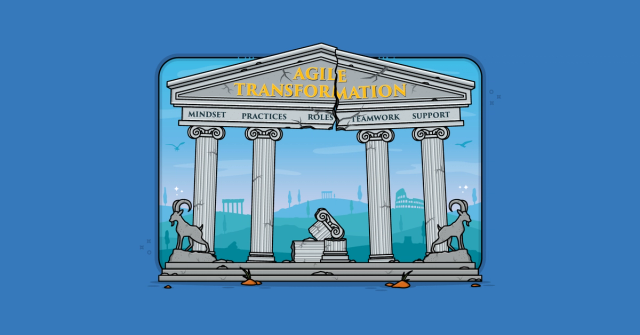
The Five Pillars of a Successful Agile Transformation
Discover the secret to a successful agile transformation and learn what to try if your organization is struggling.

Certified ScrumMaster
Build a shared Scrum foundation and prepare participants for Scrum Alliance Certified ScrumMaster certification.

Advanced Certified ScrumMaster
Private Advanced Certified ScrumMaster course for experienced Scrum Masters who want stronger facilitation, coaching, influence, and A-CSM certification.

Effective Scrum Master
Help Scrum Masters improve facilitation, coaching, impediment removal, influence, and team ownership.