

Agile teams do more than divide work among specialists. They collaborate around shared goals, learn together, and take responsibility for finishing valuable work.
Use this guide to understand what makes agile teams effective, how collaboration changes during a sprint, and what leaders can do to create the conditions for better teamwork.
Who This Guide Is For
This guide is for people who want agile teams to collaborate around shared outcomes instead of working through handoffs, unclear ownership, or role silos.
It is especially useful for:
- Scrum Masters and agile coaches helping teams improve collaboration, ownership, and self-management
- Product Owners who want better day-to-day partnership with Developers and stakeholders
- Developers, testers, analysts, designers, and other team members who want to work less through handoffs and more as one team
- Managers and leaders who want to support agile teams without taking decisions away from them
- Teams using agile or Scrum but still struggling with unclear ownership, overcommitment, slow decisions, or inconsistent collaboration
In This Guide
This guide introduces the conditions that help agile teams collaborate effectively: team structure, cross-functional skills, shared ownership, self-management, collaboration throughout the sprint, and the extra deliberateness required on distributed teams.
You will learn how SLAM teams work, why self-management and autonomy are different but related, how team structure affects collaboration, why specialists should contribute without becoming bottlenecks, and where to go next when a team is not finishing valuable work together.
What Makes Agile Teams Different?
An agile team is not just a group of people assigned to the same project. It is a group of people working together toward a shared outcome.
In many traditional environments, work is divided by specialty: analysts analyze, designers design, programmers code, testers test, and someone else integrates or releases the result. Each person may be busy. Each person may even do high-quality work. But the team can still move slowly because work waits in handoffs, misunderstandings appear late, and no one feels responsible for the whole result.
Agile teams work differently. They still use specialized skills, but they organize around finishing valuable product backlog items. They talk early. They learn continuously. They inspect what is happening and adjust. They are not trying to protect individual work queues. They are trying to deliver something useful together.
A helpful way to remember the qualities of strong agile teams is SLAM: self-managing, lean, autonomous, and multidisciplinary.
SLAM Teams Are Self-Managing, Lean, Autonomous, and Multidisciplinary
SLAM gives teams and leaders a simple diagnostic model for understanding whether a team has the structure and authority it needs to succeed.
A SLAM team is:
- Self-Managing: The team owns how the work gets done.
- Lean: The team is as small as practical while still able to achieve its goals.
- Autonomous: The team has real decision authority, not just responsibility for problems.
- Multidisciplinary: The team has the skills needed to take a product backlog item from idea to done.
This does not mean teams get to do whatever they want. Leaders still set direction, clarify goals, define constraints, and remove organizational impediments. But within those boundaries, the team needs enough authority to decide how it will work.
A team that has responsibility without authority is not autonomous. It has been handed a problem.
For a deeper diagnostic, see What Makes an Agile Team Effective?.
Team Structure Shapes Collaboration
Team structure affects how easily a team can collaborate, learn, and deliver valuable work.
Small, stable, focused teams communicate more easily and build trust faster. Teams organized around features can usually deliver value with fewer handoffs than teams organized around technical components. Teams whose members are split across too many initiatives struggle to make reliable plans or maintain shared ownership.
Before changing how a team collaborates, look at whether the structure makes collaboration possible.
Use Agile Team Structure when problems are caused by team size, unstable membership, component teams, missing skills, or people spread across too many efforts.
Cross-Functional Teams Reduce Handoffs
A cross-functional or multidisciplinary team has the skills needed to take a product backlog item from its current state to done.
In software, that may include analysis, design, programming, testing, database work, user experience, security, operations, or other skills. The exact skills depend on the product and the team’s Definition of Done.
Cross-functional does not mean everyone does everything. Specialists remain valuable. The problem is not specialization. The problem is when specialization creates handoffs, bottlenecks, or “that’s not my job” thinking.
Use Cross-Functional Agile Teams when a team waits on specialists, outside groups, or functional handoffs before work can be finished.
Agile Teams Need Shared Ownership
The first mindset shift is from “my work” to “our work.”
A programmer who says, “I finished my tasks,” while the team misses the sprint goal has missed the point. The team did not commit to individual task completion. The team committed to delivering valuable product backlog items that meet the Definition of Done.
Shared ownership does not mean every person does every job. It means everyone pays attention to the team’s goal and helps where help is needed. A tester may pair with a programmer to clarify expected behavior. A Developer may help refine acceptance criteria. A Product Owner may work with the team to reduce scope so the most valuable part of an item can still be finished.
The question changes from “Am I done?” to “Are we done?”
Use Shared Ownership on Agile Teams when people focus on individual tasks while the team leaves valuable work unfinished.
Agile Collaboration Happens Throughout the Sprint
Collaboration is not something agile teams save for Sprint Planning, the Daily Scrum, Sprint Review, or Retrospective. It happens throughout the sprint.
Strong teams avoid the pattern of finishing most programming first and leaving most testing, integration, or review until the end. Instead, they look for ways to do a little bit of everything all the time. They split work smaller. They discuss examples early. They test sooner. They integrate continuously. They ask the Product Owner questions before assumptions harden into code.
This does not eliminate all sequencing. Some work naturally comes before other work. But agile teams look for opportunities to shorten the distance between learning and acting.
A useful sprint question is: What can we finish sooner so we can learn sooner?
Use Agile Collaboration when a team needs to reduce handoffs, collaborate earlier, and move work toward done throughout the sprint.
Self-Managing Teams Need Authority and Boundaries
Self-managing teams decide how they will achieve their goals. They decide how to collaborate, how to split work, how to improve their process, and how to respond when their first plan is not working.
But self-managing does not mean the team should be randomly assembled or abandoned. Managers and leaders still have an important role in creating the conditions for self-management.
A good agile leader pays attention to who is on the team, whether the team has the right mix of skills, whether team members have enough decision authority, and whether the team is being constrained in ways that make self-management impossible.
A team told exactly how to work will usually wait to be told what to do next. A team given clear goals, reasonable boundaries, and support can learn how to manage its own work.
Use Self-Managing Agile Teams when a team is called empowered but still waits for permission, assignments, or approval before making ordinary work decisions.
Distributed Teams Need Extra Deliberateness
Distributed teams can work well, but distance adds friction. Teams lose some of the informal conversation that normally carries decisions, learning, and trust.
Distributed collaboration improves when teams make the work visible and the agreements explicit. They need shared goals, clear decision rules, enough overlap for real conversation, and a habit of making decisions visible to everyone affected by them.
Distribution does not remove the need for teamwork. It raises the bar for making teamwork intentional.
Use Distributed Agile Teams when collaboration problems are caused by location, time zones, hidden decisions, weak overlap, or tool fragmentation.
Common Agile Team and Collaboration Problems
Most agile team problems are not caused by people refusing to collaborate. They are caused by structures, habits, and incentives that make real collaboration harder than it needs to be.
Work Moves Through Handoffs
When analysts, designers, programmers, testers, and others work mostly in sequence, learning happens late. The team may be busy, but product backlog items still wait in queues. For more detail, see Cross-Functional Agile Teams and Agile Collaboration.
People Optimize for Individual Tasks
A team can appear productive while still missing its sprint goal.
If people focus only on completing their own tasks, unfinished work piles up near the end of the sprint. For more detail, see Shared Ownership on Agile Teams.
The Team Has Responsibility Without Authority
A team cannot self-manage effectively if every meaningful decision must be approved elsewhere. For more detail, see Self-Managing Agile Teams and Agile Leadership.
The Team Is Too Large or Too Fragmented
Large teams create more communication paths. Fragmented teams create more context switching. For more detail, see Agile Team Structure.
Specialists Become Bottlenecks
Specialists are valuable. Bottlenecks are not.
When only one person can do a type of work, the team becomes fragile. For more detail, see Cross-Functional Agile Teams.
Distributed Decisions Disappear
Distributed teams often struggle when decisions happen in private messages, side conversations, or meetings that not everyone can attend. For more detail, see Distributed Agile Teams.
Is This Team Collaborating Around the Work?
Use these questions to find the next conversation your team may need to have.
- Does the team understand the shared outcome it is working toward?
- Are team members focused on finishing product backlog items, not just individual tasks?
- Can the team make ordinary work decisions without waiting for outside approval?
- Does the team have the skills needed to move work from idea to done?
- Are specialists helping the team finish work rather than becoming bottlenecks?
- Is work split small enough that the team can collaborate across it during the sprint?
- Are testing, review, integration, and feedback happening early enough?
- Are distributed decisions visible to everyone affected by them?
- Are leaders giving the team clear goals, useful boundaries, and enough authority?
- Is the team learning how to work better together over time?
This is not a scorecard. Use it to notice where collaboration is breaking down and where a small change could help the team finish more valuable work.
FAQ
What is an agile team?
An agile team is a small, collaborative group with the skills and authority needed to deliver valuable work in short cycles. The team works from a shared goal, inspects progress frequently, and adapts based on what it learns.
What is a SLAM team?
A SLAM team is self-managing, lean, autonomous, and multidisciplinary. The acronym is a useful way to remember four qualities that help agile teams collaborate and deliver effectively.
Does cross-functional mean everyone does everything?
No. Cross-functional or multidisciplinary means the team has all the skills it needs. It does not mean every person has every skill.
Specialists remain valuable. The problem is not specialization. The problem is when specialization creates handoffs, bottlenecks, or “that’s not my job” thinking.
How big should an agile team be?
Small enough to collaborate easily and large enough to contain the skills needed to finish work. Many teams are most productive around four or five people, but some products require larger teams because the work requires more skills or faster delivery.
The key is to treat team size as a design decision. Larger teams create more communication overhead, so add people only when the benefits are worth the cost.
What does self-managing mean in Scrum?
A self-managing team decides how to do its work. It owns its process, collaboration patterns, and day-to-day decisions about how to achieve the goal.
Self-managing does not mean leaderless. Leaders still set direction, clarify constraints, and remove impediments. They just avoid deciding for the team when the team should decide for itself.
How do agile teams collaborate during a sprint?
They talk before assumptions become expensive. They refine backlog items together, plan around a sprint goal, swarm when work is stuck, test early, ask the Product Owner questions, and adjust the plan as they learn.
The best collaboration is often invisible from outside the team. It looks like quick conversations, pairing, small design discussions, shared problem solving, and team members helping one another finish work.
What should managers do to support agile teams?
Managers should create the conditions in which teams can succeed. That includes keeping teams stable, making authority clear, helping teams get the skills they need, removing impediments, and resisting the urge to solve every problem for the team.
Managers should not confuse support with control. The goal is to help the team become more capable, not more dependent.
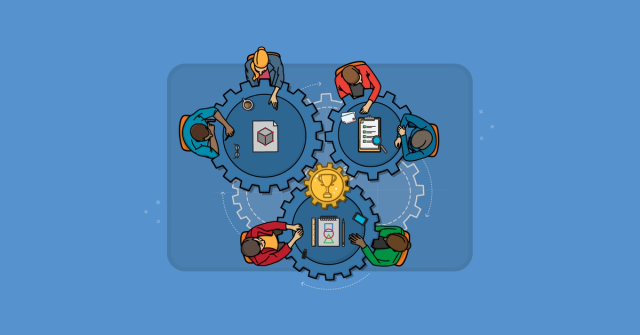
Agile Teamwork
FeaturedLearn how agile teams share responsibility, reduce handoffs, and finish valuable work together.

Working on a Scrum Team
FeaturedHelp the whole Scrum team build a shared approach to roles, planning, refinement, collaboration, and finishing valuable work together.

Why Your Scrum Team Still Works Like Individuals
FeaturedLearn how handoffs, individual task ownership, and status-report daily scrums keep Scrum teams from collaborating—and what to change next sprint.

Leading Agile Initiatives: How Leaders Help Agile Change Succeed
An agile initiative is not mainly a one-time rollout of Scrum, Kanban, SAFe, Jira, new job titles, or a different meeting calendar.
Self-Organizing Teams, their Benefits, and a Leader’s Role
Explore self-managing teams, including the role of leaders and outcomes of effective teamwork.
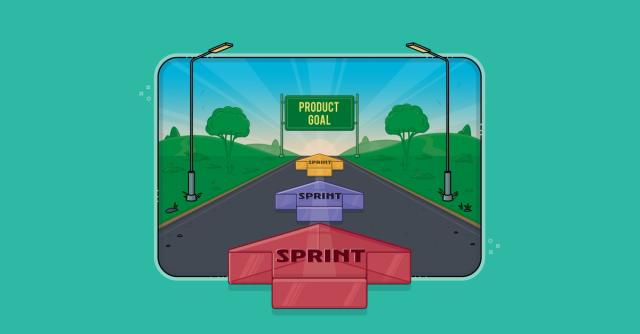
What Does a Product Owner Do, When, and Why?
Clarify what product owners do before work starts, during planning, and throughout each sprint.

Should the Daily Scrum Be Person-by-Person or Story-by-Story?
Choose whether to discuss work person-by-person or story-by-story in daily scrum.

What Is Cross-Functional Collaboration in Agile?
Clarify what cross-functional teams really need and what they do not.

What Product Owners Do & 7 Mistakes to Avoid
Use seven common product owner mistakes to spot where ownership, prioritization, or collaboration may be breaking down.

Removing Team Members
People often ask me whether teams should have the right to vote members off. To help answer that question, let me share a story with you.
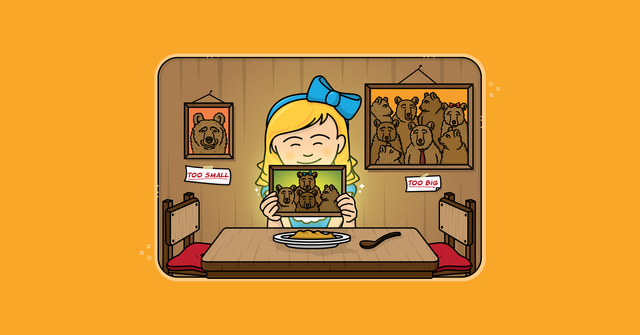
The Just Right Size for Agile Teams
Find the team size that balances collaboration with overhead.

Should a Team Assign Work During Sprint Planning?
Some teams assign all tasks upfront. Others don’t.

Be a Great Product Owner: Six Things Teams and Scrum Masters Need
See what teams and Scrum Masters need most from a product owner to make delivery smoother.
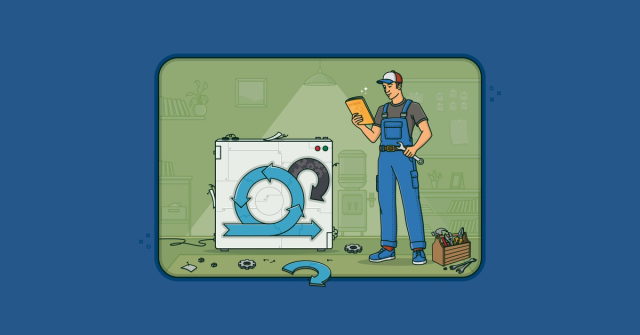
Why Scrum Isn’t Working Even Though You’re Doing Scrum
Story splitting helps teams turn large user stories into smaller, valuable pieces they can finish within a sprint without turning them into tasks.

How to Get Teams Aligned on What It Means to Be Agile
Align leaders, teams, and stakeholders around what agile really means.
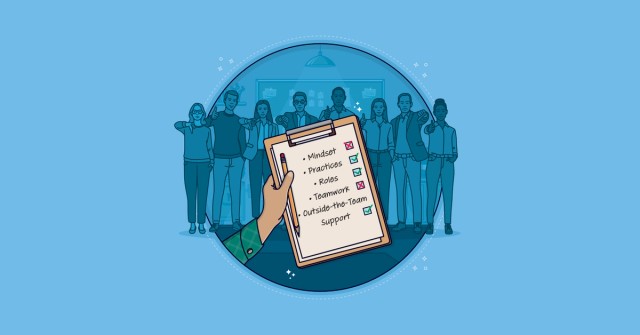
We Tried Agile and It Didn’t Work
“We tried agile and it didn’t work” is one of the most revealing things a leader can hear.
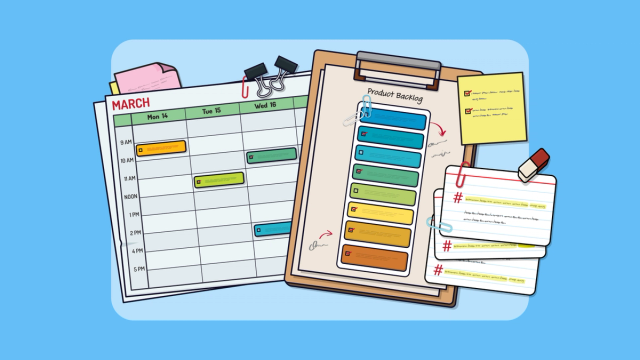
Should a Team Swarm on to One Backlog Item at a Time?
Decide when a team should focus on one backlog item versus several at once.

What Does Scrum Mean by Cross Functional Teams?
What exactly does cross functional mean and why does it matter?

Nine Questions Scrum Masters and Product Owners Should Be Asking
Use better questions to improve collaboration, decision-making, and team ownership.
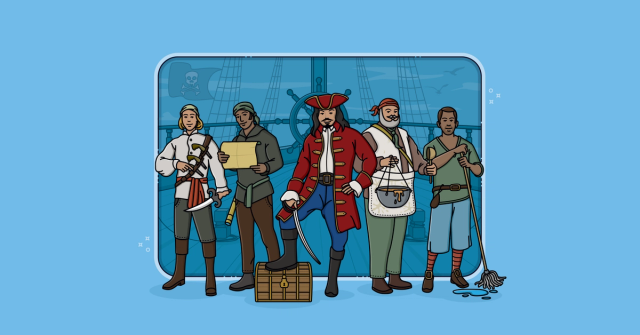
Can the Product Owner and the Scrum Master Be the Same Person?
Discover what pirates have to teach us about why the ScrumMaster and product owner require different skills, and different people.
Self-Organizing Teams Are Not Put Together Randomly
There are things leaders can do that will influence how a team self organizes.
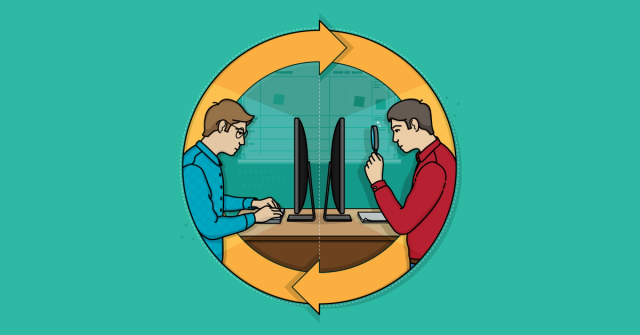
How Programmers and Testers (and Others) Should Collaborate on User Stories
What do the testers do at the start of a sprint when there’s nothing to test? That problem is solved through team collaboration.

AI Doesn’t Eliminate Agile Teams — It Increases the Need for Great Ones
Discover how AI is reshaping agile teams, why collaboration matters more than ever, and what leaders must do.

The Benefits of Feature Teams
Moving away from component teams is a difficult but necessary step for those who want to adopt an agile project management approach.
For Better Agile Planning, Be Collaborative
The best plans are created by developers and stakeholders working together.
Top 7 Ways to Engage Stakeholders in Sprint Reviews
Poorly attended sprint reviews cause real problems. Fortunately there are easy fixes.
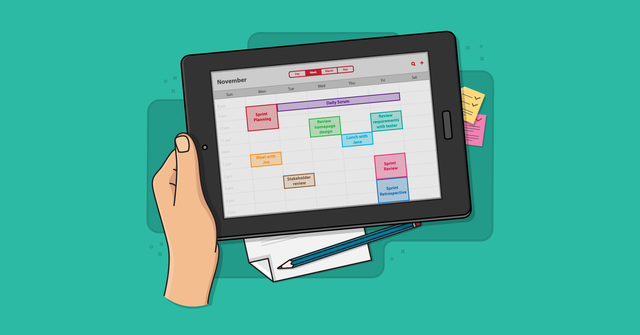
Does Scrum Have Too Many Meetings?
Are teams complaining about Scrum meetings? Learn why that happens, and how to fix it.

Scrum Team Improvement
Strengthen team collaboration, Scrum practices, role clarity, and delivery.

Team Improvement Sprints
Make focused improvements through short coaching engagements built around the team’s most important challenge.

Team Reset
Help a stuck Scrum team diagnose recurring problems, realign expectations, and choose practical changes.