

Product ownership is the ongoing work of maximizing the value of what a team builds. The Product Owner role in Scrum makes that work visible and accountable, but effective product ownership is bigger than one job title.
It includes deciding what to build, why it matters, what to do next, and how to adapt as the team learns from customers, users, stakeholders, and working product.
Who This Guide Is For
This guide is for Product Owners, product managers, business analysts, Scrum Masters, Developers, managers, and stakeholders who want better product decisions from their agile teams.
It is especially useful for:
- New Product Owners who want to understand what the role is accountable for
- Experienced Product Owners who are overwhelmed by stakeholders, backlog decisions, or sprint-by-sprint demands
- Product managers, analysts, UX designers, and business experts who contribute to product ownership work
- Scrum Masters and agile coaches helping Product Owners and teams collaborate more effectively
- Developers and other team members who need clearer product direction and faster decisions
- Leaders and stakeholders who want stronger product ownership without turning product decisions into committee decisions
Product ownership is not about keeping a backlog full. It is about helping a team build the right product in the right order.
In This Guide
Learn the essential product owner skills and characteristics and how product owners use vision and product goals to guide decisions.
This guide explains what product ownership means, how it relates to the Scrum Product Owner role, and why effective product ownership requires clear decision authority, stakeholder leadership, and a useful product backlog.
You will also learn how Product Owners use vision and goals, collaborate with teams during a sprint, lead stakeholder conversations, make prioritization tradeoffs, and recognize common product ownership problems.
What Is Product Ownership?
Product ownership is the capability of turning product goals, customer needs, stakeholder input, market knowledge, and team learning into clear product decisions.
In Scrum, the Product Owner is accountable for maximizing the value of the product resulting from the Scrum Team’s work. That includes creating and communicating product direction, ordering the product backlog, working with stakeholders, and helping the team understand the value and intent behind upcoming work.
Product ownership is broader than the Scrum role. It includes:
- Understanding customers, users, and stakeholders
- Clarifying product direction
- Making tradeoffs when everything feels important
- Keeping the product backlog useful and ordered
- Collaborating with the team during refinement, planning, development, review, and feedback
- Adapting plans as new information emerges
A good Product Owner does not need to have every answer. But the team does need one clear product voice that can listen, decide, explain, and adapt.
Product Ownership Is a Capability, Not Just a Role
A Scrum team has one Product Owner, but product ownership is not limited to the person with that title.
A Product Owner may rely on product managers, business analysts, UX designers, technical leaders, customer support, sales, marketing, executives, and others. Those people can contribute ideas, research, analysis, feedback, and product knowledge.
The accountability for product decisions still needs to be clear.
When everyone owns priority, no one owns priority. Teams slow down because decisions become tentative, political, or constantly reversible. Good product ownership creates a clear path from learning to decision to delivery.
The Product Owner Role in Scrum
In Scrum, the Product Owner is accountable for maximizing the value of the product resulting from the Scrum Team’s work.
The Product Owner does not personally write every user story, make every design decision, or answer every question alone. The Product Owner is accountable for ensuring the product backlog is useful, ordered, and aligned with the product goal.
The Product Owner helps the team understand:
- What outcome matters now
- Why the work is valuable
- Which tradeoffs are acceptable
- What feedback has been received
- What should be considered next
The Product Owner role is easiest to understand as a decision role. Maintaining a backlog matters because the backlog expresses current product decisions, not because backlog administration is the goal.
For a Scrum-specific explanation, see Product Owner Role and Responsibilities.
Product Ownership Versus Product Management
Product ownership and product management overlap.
Product management often includes broader market, business, pricing, positioning, strategy, and lifecycle responsibilities. Product ownership focuses on the product decisions needed to guide a Scrum Team or teams.
In some companies, the same person does both. In others, product managers and Product Owners collaborate.
The job title matters less than the decision system. The team needs timely access to someone who understands the product, can weigh stakeholder input, can make tradeoffs, and can explain why the current backlog order makes sense.
If product management and product ownership are split across people, the organization needs clear decision rights. Otherwise the team may get conflicting priorities from multiple product voices.
Product Owners Decide What and Why, Not How
The Product Owner is responsible for product direction: what to build and why it matters.
The team is responsible for how to build it.
That distinction matters. A Product Owner who dictates every design and implementation choice prevents the team from using its expertise. A team that ignores product direction risks building something elegant that does not solve the right problem.
Product Owners should collaborate with the team, explain customer and business needs, and listen to technical options. They should avoid turning product ownership into solution control.
The best product decisions come from collaboration: the Product Owner brings the problem, goals, constraints, and priorities; the team brings implementation knowledge and options.
The Product Backlog Is a Set of Options
A healthy product backlog is an ordered set of options for what the team might build next. It changes as the team learns more about customers, users, technology, risk, and business value.
Items near the top of the product backlog should be small and clear enough for the team to discuss, estimate, and bring into a sprint. Items farther down can remain larger and less detailed because they are more likely to change.
Treating the whole backlog as equally detailed creates waste. Keeping the backlog emergent and ordered keeps it useful.
For more, see Product Backlog.
Refinement Creates Confidence, Not Certainty
Product backlog refinement is the ongoing work of improving the team’s shared understanding of upcoming product backlog items.
The goal is not to remove every unknown. The goal is to know enough that the team can responsibly bring an item into a sprint.
A practical question for refinement is:
Do we understand this item well enough to believe it can be completed within a sprint?
When the answer is yes, stop refining that item. When the answer is no, identify the uncertainty that could threaten the sprint and resolve that next.
For more, see Product Backlog Refinement.
Prioritization Is a Tradeoff
Product ownership requires prioritization, but prioritization is rarely a simple calculation.
The Product Owner considers value, urgency, risk, learning, dependencies, stakeholder needs, cost of delay, market timing, technical health, and team capacity. No formula removes the need for judgment.
The most useful prioritization question is:
What is the best next use of the team’s limited time?
That question keeps the conversation focused on choices. The team’s capacity is finite, and saying yes to one thing means not doing something else right now.
Product Ownership Across Multiple Teams
One Product Owner can often support one Scrum Team well. Supporting multiple teams is harder.
At scale, the inward-facing work with teams and the outward-facing work with customers, stakeholders, markets, and strategy can easily become too much for one person.
The structure matters less than the clarity it creates. Multiple-team product ownership needs:
- One coherent product direction
- One clearly ordered view of product priorities
- Clear decision rights so teams are not trapped between competing product voices
The goal is to preserve product clarity as the organization grows, not to create layers of approval.
For more, see The Chief Product Owner on Large Agile Projects.
Common Product Ownership Problems
Most product ownership problems are caused by unclear authority, weak product direction, too many competing voices, or a backlog that has become disconnected from product decisions.
The Product Owner Has Responsibility Without Authority
A Product Owner who cannot make priority decisions becomes a messenger. Clarify which tradeoffs the Product Owner owns. For more detail, see Stakeholder Leadership and 7 Product Owner Mistakes.
The Product Backlog Becomes a Request Warehouse
A backlog that stores every request forever stops expressing strategy. Keep it useful by removing, combining, splitting, and reordering items. For more detail, see Product Backlog and The Product Backlog Iceberg.
Stakeholders Bypass the Product Owner
When stakeholders insert work directly, the team loses focus and tradeoffs disappear. Give stakeholders a voice while keeping one clear decision path. For more detail, see Stakeholder Leadership and Saying No to a Stakeholder.
The Product Owner Disappears During the Sprint
When the Product Owner is unavailable, the team waits or guesses. Stay close enough to answer questions and keep learning moving. For more detail, see Product Owner Availability.
The Product Owner Dictates the Solution
Product Owners should clarify problems, outcomes, constraints, and tradeoffs. Let the team help discover the best solution. For more detail, see What Product Owners Do and Product Owner Availability.
Product Ownership Becomes a Committee
Broad input is healthy. Priority accountability still needs one clear owner. For more detail, see Stakeholder Leadership and The Product Owner's Second Team.
Is Product Ownership Helping the Team Build the Right Thing Next?
Use these questions to find the next conversation your team or organization may need to have.
- Does the team understand what product outcome matters most right now?
- Is there one clear Product Owner or product decision path?
- Can the Product Owner explain why the top backlog items matter now?
- Are stakeholders heard without being allowed to constantly derail priorities?
- Does the Product Owner have enough authority to make tradeoffs?
- Is the product backlog ordered, useful, and regularly updated?
- Does refinement create enough confidence for Sprint Planning without trying to remove every unknown?
- Is the Product Owner available enough during the sprint to prevent avoidable delays and assumptions?
- Are product decisions adapting based on feedback from users, customers, stakeholders, and working product?
- If multiple teams are involved, are product direction, backlog ordering, and decision rights clear enough?
Use the questions to decide whether the next improvement should focus on vision, authority, stakeholder leadership, backlog health, refinement, availability, or product ownership across teams.
FAQ
What is product ownership?
Product ownership is the work of maximizing product value by deciding what to build, why it matters, and what to do next. It includes customer understanding, stakeholder collaboration, product strategy, prioritization, backlog management, and adaptation based on feedback.
What does a product owner do?
A Product Owner creates and communicates product direction, orders the product backlog, works with stakeholders, clarifies upcoming work with the team, participates in Scrum events, reviews emerging product increments, and adapts the backlog based on feedback and learning.
Is product ownership the same as product management?
No. Product management often includes broader market, business, pricing, positioning, and lifecycle responsibilities. Product ownership focuses on the product decisions needed to guide a Scrum Team or teams.
In some companies, the same person does both. In others, product managers and Product Owners collaborate. The important question is whether the team has access to clear, timely, informed product decisions.
Who prioritizes the product backlog?
The Product Owner is accountable for the ordering of the product backlog. Others should contribute input, evidence, estimates, risks, and stakeholder perspectives. But the Product Owner must ensure there is one clear ordering so the team knows what matters most.
Does the product owner have to write every user story?
No. The Product Owner does not need to physically write every product backlog item or user story. Developers, analysts, designers, stakeholders, and others can suggest or write items.
The Product Owner remains accountable for ensuring the backlog exists, is ordered, and reflects the current understanding of what the product should become.
Can the product owner and Scrum Master be the same person?
It is usually a bad idea. The Product Owner is focused on product decisions. The Scrum Master is focused on helping the team improve how it works. Combining the roles creates conflicts and usually leaves one set of responsibilities neglected.
How available should a product owner be?
Available enough that the team does not stall or make avoidable assumptions. The Product Owner does not need to attend every conversation or answer every question instantly. The team does need reliable access to decisions, feedback, and clarification.
Can one product owner support multiple teams?
Sometimes. One Product Owner can often support two teams if the product area is coherent and the teams are reasonably aligned. Beyond that, the role often becomes too large. The Product Owner may become a bottleneck, stakeholders may receive too little attention, and teams may wait too long for answers.
Can a product owner dictate architecture?
No. Product Owners should specify what outcome is needed, not how the architecture should work. There are exceptions when architecture has product or business consequences, such as regulatory, integration, pricing, performance, or customer constraints. Even then, the decision should be made collaboratively with the team.
How do you know product ownership is working?
Product ownership is working when the team understands the product direction, stakeholders are heard without constantly derailing priorities, the backlog is ordered and usable, refinement creates enough confidence for Sprint Planning, and the product improves based on feedback.
A useful test is this: Can the team explain not only what it is building next, but why that work matters?
What Product Owners Do & 7 Mistakes to Avoid
FeaturedUse seven common product owner mistakes to spot where ownership, prioritization, or collaboration may be breaking down.

Effective Product Owner
FeaturedHelp product owners make clearer priorities, backlog decisions, and stakeholder tradeoffs.
Be a Great Product Owner: Six Things Teams and Scrum Masters Need
FeaturedSee what teams and Scrum Masters need most from a product owner to make delivery smoother.
AI Changes What Makes a Product Backlog Valuable
AI makes detailed backlog items and working software easier to produce. Learn why that favors more dynamic backlogs and makes early validation more important.
AI Can Write Backlog Items. It Can’t Create Shared Understanding
AI can generate polished user stories and acceptance criteria in seconds. Learn how to use it without skipping product judgment, user evidence, or team conversations.
Why Your Scrum Team Still Works Like Individuals
Learn how handoffs, individual task ownership, and status-report daily scrums keep Scrum teams from collaborating—and what to change next sprint.
The Chief Product Owner on Large Agile Projects
Understand how product ownership can scale when one product owner is not enough.
How to Get Teams Aligned on What It Means to Be Agile
Align leaders, teams, and stakeholders around what agile really means.
Nine Questions Scrum Masters and Product Owners Should Be Asking
Use better questions to improve collaboration, decision-making, and team ownership.

Certified Scrum Product Owner
Build practical product ownership skills and earn Scrum Alliance Certified Scrum Product Owner certification.

Leading Agile Initiatives: How Leaders Help Agile Change Succeed
An agile initiative is not mainly a one-time rollout of Scrum, Kanban, SAFe, Jira, new job titles, or a different meeting calendar.
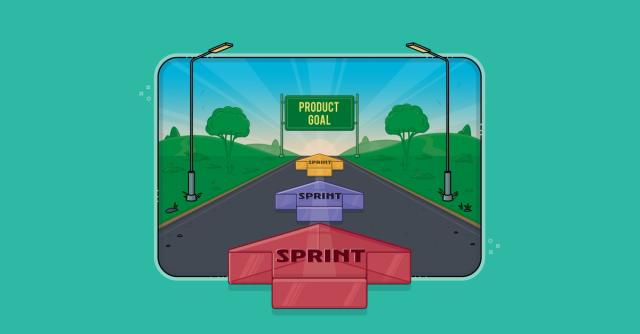
What Does a Product Owner Do, When, and Why?
Clarify what product owners do before work starts, during planning, and throughout each sprint.

Should You Become a Product Owner?
Explore the skills, paths, and tradeoffs to consider before stepping into the product owner role.
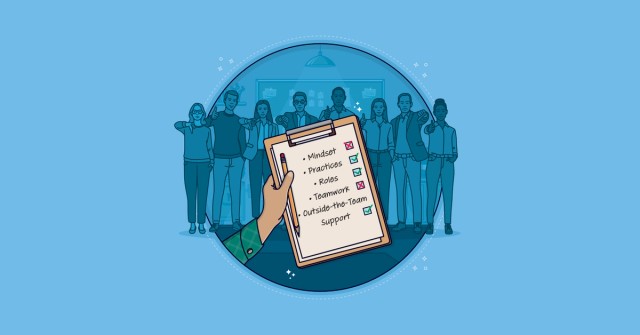
We Tried Agile and It Didn’t Work
“We tried agile and it didn’t work” is one of the most revealing things a leader can hear.

Why Your Product Backlog Should Look Like an Iceberg
Shape the backlog so near-term items are detailed and lower-priority work stays lighter.
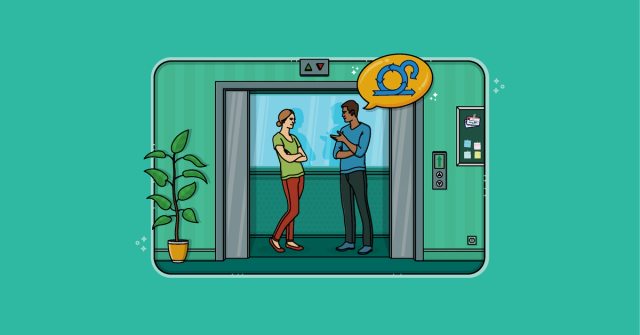
The Sprint Goal: What It Is and How It Can Help
Sprint goals are something every Scrum team should try to create. Learn what sprint goals are and what a good sprint goal looks like.
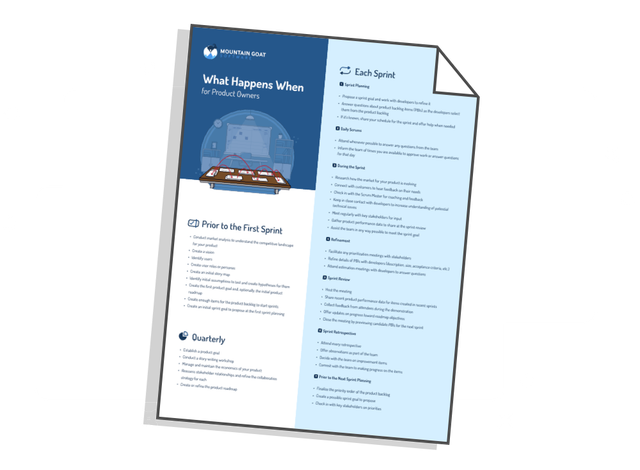
The Definitive Guide to the What and When of Product Owner Responsibilities
Download a guide that maps product owner responsibilities to the moments when they matter most. Sign up to get your free download
Self-Organizing Teams, their Benefits, and a Leader’s Role
Explore self-managing teams, including the role of leaders and outcomes of effective teamwork.
Product Backlog Refinement
Learn about product backlog refinement: how, when, and why the agile team and product owner refine the product backlog in Scrum.
Writing the Product Backlog Just in Time and Just Enough
Keep backlog detail just enough and just in time.
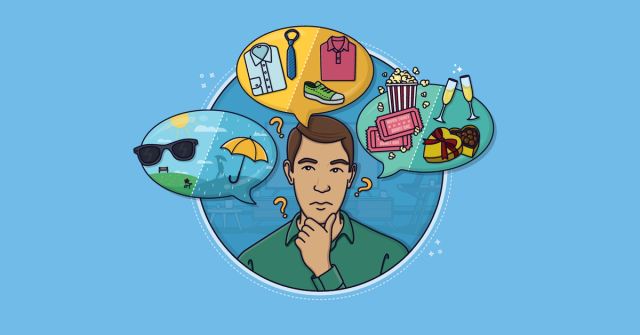
3 Ways to Help Agile Teams Plan Despite Uncertainty
We might not like ambiguity, but it’s a fact of life. Find out how to plan with uncertainty in mind.
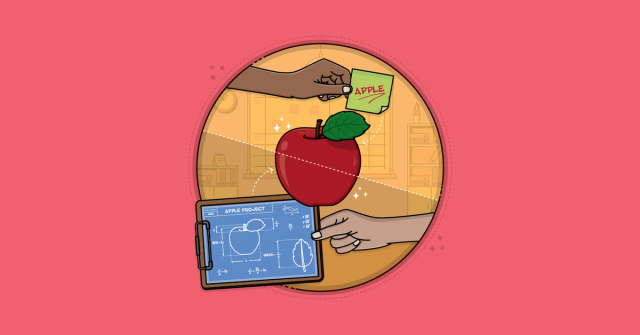
How Detailed Should a User Story Be?
Capturing too much or too little detail in a user story causes problems. Here's how to get it right, iteratively.
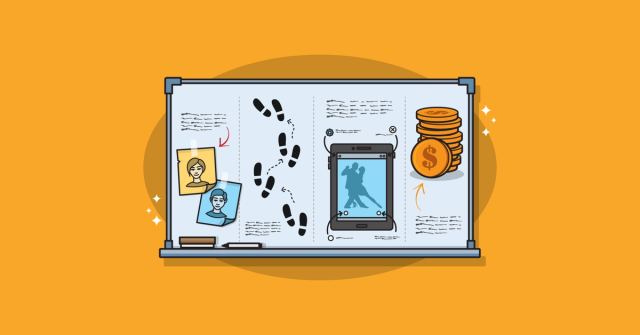
Building a Product Users Want: From Idea to Backlog with the Vision Board
Connect product vision to backlog decisions so teams build toward a product customers actually want.
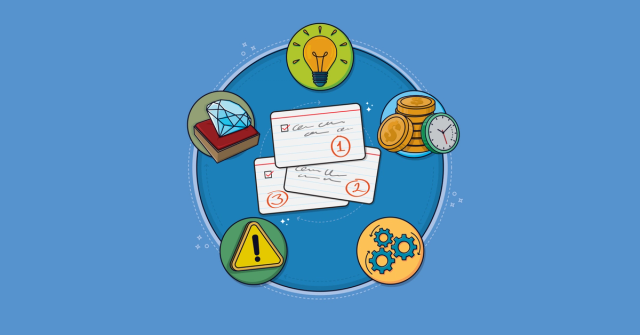
5 Key Factors for Effective Product Backlog Prioritization
Confused about how to prioritize your backlog? These 5 factors will help to focus your efforts.
Four Reasons Agile Teams Estimate Product Backlog Items
Estimating product backlog items provides benefits beyond predicting when a project will be finished.
Top 7 Ways to Engage Stakeholders in Sprint Reviews
Poorly attended sprint reviews cause real problems. Fortunately there are easy fixes.
Three Rights of Effective Scrum Masters
To be effective, a Scrum Master has a right to expect at least three things from their company culture. Find out what those are.
The Product Owner’s Second Team
Treat stakeholders as a second team so product decisions become clearer and more collaborative.
AI Doesn’t Eliminate Agile Teams — It Increases the Need for Great Ones
Discover how AI is reshaping agile teams, why collaboration matters more than ever, and what leaders must do.
Five Story-Splitting Mistakes and How to Stop Making Them
There are plenty of mistakes a team can make when splitting user stories. Here are five of the most common.
Advanced Certified Scrum Product Owner
Private Advanced Certified Scrum Product Owner course for experienced product owners who want stronger product judgment, stakeholder leadership, and A-CSPO certification.