
When writing user stories there are, of course, two parts: user and story. The user is embedded right at the front of stories when using the most common form of writing user stories:

As a I so that .
Many of the user roles in a system can be considered first class users. These are the roles that are significant to the success of a system and will occur over and over in the user stories that make up a system’s product backlog.
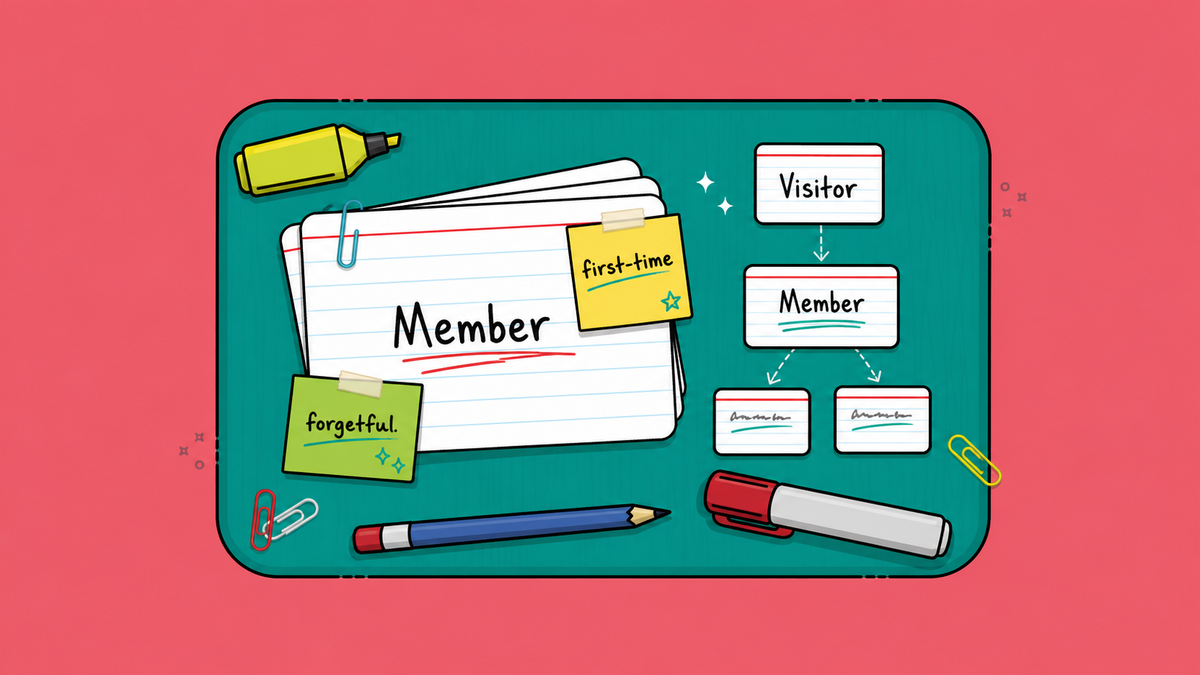
These roles can often be displayed in a hierarchy for convenience. An example for a website that offers benefits to registered members is as follows:

In this example, some stories will be written with “As a site visitor, …” This would be appropriate for something anyone visiting the site can do, such as view a license agreement.
Other stories could be written specifically for registered members. For example, a website might have, “As a registered member, I can update my payment information.” This is appropriate to write for a registered member because it’s not appropriate for other roles such as visitors, former members, or trial members.
Stories can also be written for premium members (who are the only ones who can perhaps view certain content) or trial members (who are occasionally prompted to join).
But, beyond the first class user roles shown in a hierarchy like this, there are also other occasional users—that is, users who may be important but who aren’t really an entirely separate type of user.
First-time users can be considered an example. A first-time user is rarely really a first-class role but they can be important to the success of a product, such as the website in this example.
Usually, the best way to handle this type of user role is by adding an adjective in front of the user role. That could give us roles such as:
-
First-time visitor
-
First-time member
The former would refer to someone on their absolute first visit to the website. The latter could refer to someone who is on the site for the first time as a subscribed member.
This role could have stories such as, “As a first-time visitor, additional prompts appear on the site to direct me toward the most common starting points so that I learn how to navigate the system.”
A similar example could be “forgetful member.” Forgetful members are very unlikely to be a primary role you identify as vital to the success of your product. We should, however, be aware of them.
A forgetful member may have stories such as “As a forgetful member, I can request a password reminder so that I can log in without having to first call tech support.”
I refer to these as decorated user roles, borrowing the term from mathematics where decorated symbols such as a-bar (x̄) and p-hat (x̂) are common.
Decorated users add the ability to further refine user roles without adding complexity to the user role model itself through the inclusion of additional first-class roles. As a fan of user stories, I hope you find the idea as helpful as I do.

Mastering User Stories
FeaturedA one-day course where your team improves real backlog items while learning how to write, split, and refine better stories.
AI Prompts for Writing Better User Stories
FeaturedCreate INVEST-ready stories, fast. This prompt pack captures Mike Cohn’s process for writing and refining user stories and makes it reusable with AI.

Story Writing Workshop
FeaturedImprove real backlog items in a facilitated workshop so teams can practice user stories with work they actually need to deliver.

Story Critic
Story Critic is a free AI coach for improving backlog items without turning them into miniature specifications. It helps developers, testers, analysts, designers, and product owners make user stories, job stories,…

Writing User Stories
A user story should help a team have the right conversation. The words matter, but only because they point the team toward the user, the goal, and the reason the work matters.
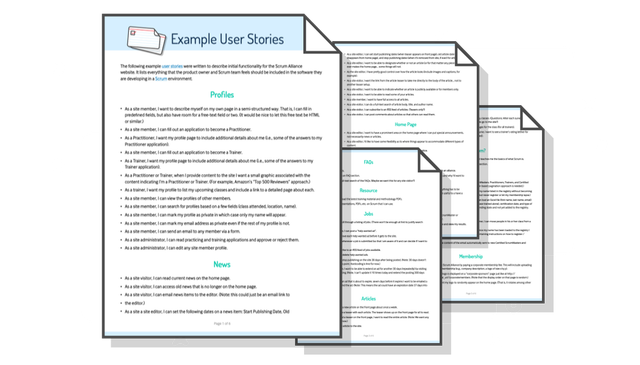
200 User Story Examples
Explore more than 200 user stories from three real product backlogs Mike Cohn created, and use them as practical examples for your own team. See user stories Mike Cohn wrote as part of several real product backlogs.

User Stories
Learn how to write, refine, split, and map user stories that help agile teams understand customer needs and deliver valuable outcomes.
The Two Ways to Add Detail to User Stories
User stories can be deliberately vague at first but detail needs to be added eventually. There are two ways to do that.

How Detailed Should a User Story Be?
Capturing too much or too little detail in a user story causes problems. Here's how to get it right, iteratively.
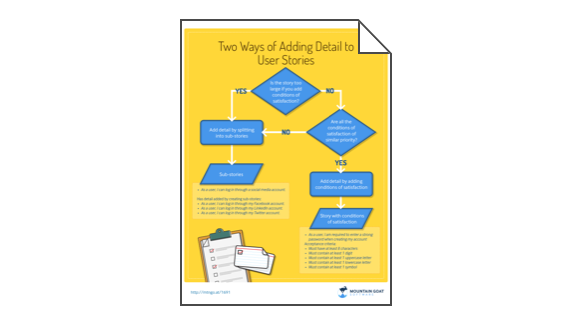
Two Ways of Adding Detail
Compare two practical ways to add detail to user stories, learn when each approach fits, and see concrete examples in this free PDF. I’ve created a PDF you can download that will help you decide which approach is…

Job Stories Offer a Viable Alternative to User Stories
As useful as user stories can be, they’ve never been right for every team. An exciting alternative for some teams is the job story.

Writing the Product Backlog Just in Time and Just Enough
Keep backlog detail just enough and just in time.

Backlog Story Improvement
Improve backlog quality, story splitting, refinement, and the flow of work from idea to delivery.

Backlog Refinement Workshop
Improve refinement using real backlog items so planning is clearer and faster.