

A user story should help a team have the right conversation.
The words matter, but only because they point the team toward the user, the goal, and the reason the work matters. A perfectly formatted story can still be weak. A brief phrase on a sticky note can be useful when the team understands what it means and knows what conversation needs to happen next.
What Writing a User Story Means
Writing a user story means capturing enough of an idea that the team can remember it, discuss it, split it, refine it, and eventually deliver it.
That is less than writing a complete specification, but more than typing a sentence into a backlog tool.
A good written story creates focus. It names the person or role who benefits. It describes the capability or outcome that person needs. It gives the team a reason so they can make better tradeoffs as they design and build the solution.
The common template is:
As a [type of user], I [need/want/am required] to [do something], so that [reason or benefit].
For example:
As a conference attendee, I need to filter sessions by topic so that I can quickly find the sessions most relevant to me.
The template is a thinking aid. Use it when it helps. Drop it when another form is clearer.
Start with the Right User
The user in a user story is not filler. The user you choose shapes the conversation that follows.
Sometimes "user" is specific enough. If everyone who uses the product needs the same behavior for the same reason, a more detailed role may not add much.
But many products serve people with different goals. A first-time buyer, returning customer, support agent, auditor, administrator, and regional manager may all use the same system but need very different things from it.
When choosing the user, ask whether the role changes the conversation. Would this user care about different rules, different data, different timing, different permissions, or a different outcome? If so, name the more specific role.
Weak:
As a user, I want reports so that I can see information.
Better:
As a regional sales manager, I need to compare monthly revenue by territory so that I can identify where coaching or support is needed.
The improved version gives the team more to work with. The team can ask what territories matter, what revenue means, how current the data needs to be, what decision the manager will make, and whether a report is the best solution.
That does not mean every role needs to become a fully developed persona. Sometimes a simple role name is enough. At other times, especially for high-consideration products or unfamiliar users, a team may need personas, decorated user roles, or more explicit examples of user goals.
Write the What as a Goal, Not an Implementation
The middle of the template should describe what the user needs to accomplish. It should usually avoid prescribing the implementation too early.
Better stories leave the team room to discuss options. That does not mean the product owner cannot have an opinion about the solution. It means the written story should not prematurely shut down better ideas.
Less useful:
As a customer, I want a blue button on the checkout page so that I can use my saved address.
More useful:
As a returning customer, I want to use a saved shipping address so that checkout is faster.
The second version tells the team the capability and the reason. The team can still decide that a button is the right answer, but the conversation starts in the right place.
Implementation detail belongs somewhere. It may appear in sketches, design notes, technical tasks, constraints, or acceptance criteria. The written story should carry the core intent.
Include the Why When It Helps Decisions
The "so that" clause is often the most valuable part of the story because it helps the team understand the decision the user is trying to make or the benefit the user is trying to get.
Two people can ask for nearly identical functionality for different reasons. Those reasons can change design, priority, and scope.
For example:
As a product owner, I need to see which recently released features are used least so that I can decide whether to improve, promote, or remove them.
That is stronger than:
As a product owner, I need a dashboard so that I can see metrics.
The first story identifies a decision. The second merely names a possible solution.
There are times when the reason is obvious or awkward to state. Do not contort a story just to include a "so that" clause. But if the reason helps the team decide what to build, keep it.
Examples of Stronger User Stories
Conference Website
As a conference attendee, I can save sessions to a personal agenda so that I can plan which sessions to attend.
Possible early questions:
- Can attendees save sessions before they are logged in?
- What happens if two saved sessions overlap?
- Should the agenda be printable, shareable, or exportable?
E-Commerce Site
As a returning customer, I want to reorder items from a previous purchase so that I can quickly buy things I regularly need.
Possible early questions:
- How far back should previous orders go?
- What happens when an item is no longer available?
- Can the customer change quantities before checkout?
Internal Business System
As a payroll specialist, I need to see employees with missing time approvals so that I can resolve payroll issues before processing begins.
Possible early questions:
- Which pay period should be shown by default?
- Does the payroll specialist need filters by department or manager?
- What record should the specialist open from the list?
Examples are valuable because they reveal the conversations a story should trigger.
When the Template Gets in the Way
The template is useful when it helps the team think. It gets in the way when teams force every item into the same sentence and stop thinking.
Some stories read better as a short phrase while the team is story mapping. Some technical work is clearer as a technical backlog item. Some bug fixes are clearer as bugs. Some teams prefer job stories when the triggering situation matters more than the user role.
Do not treat the template as a quality guarantee. A story can follow the template and still be vague, too large, or valueless.
Use the template as a prompt:
- Who benefits?
- What do they need to do?
- Why does that matter?
If the team can answer those questions clearly, the exact sentence matters less.
FAQ
Who should write user stories?
Anyone can write the first version of a user story. The product owner is accountable for the product backlog, but developers, testers, designers, analysts, Scrum Masters, stakeholders, and customers can all contribute useful story ideas.
What matters most is who participates in the conversation before the story is implemented.
Should a user story name the product owner as the user?
Only when the product owner is actually the user or beneficiary.
The product owner may request the work, prioritize it, and accept it, but that does not automatically make the product owner the user. Many stories should be written from the perspective of a customer, support agent, administrator, auditor, salesperson, manager, or another user role.
How much detail should be in the initial story?
Enough for the team's current decision. A new idea may need only a sentence. A story near the top of the backlog needs more clarity, examples, and confirmation details.
Should stories have names?
Usually the story itself should be short enough that a separate name is unnecessary. If the team uses names for tracking in a tool, make the name descriptive and do not let it replace the actual story conversation.
A Practical Story-Writing Routine
When a team is improving story writing, avoid turning the work into a grammar review. Use a short routine that keeps the focus on understanding.
Start by asking who benefits. If the answer is "user," ask whether different types of users would need different behavior. Sometimes the answer is still simply user. More often, the team discovers a more useful role such as first-time buyer, returning customer, payroll specialist, auditor, support agent, or administrator.
Next, ask what the person is trying to accomplish. Look for a goal rather than a screen, field, button, database table, or implementation step. If the story names a solution, ask what outcome that solution is meant to support.
Then ask why the outcome matters. The reason does not have to be profound. It needs to help the team make a decision. If two designs would satisfy the same story, the reason may tell the team which design is better.
Finally, decide whether the story is close enough to implementation to need more detail. A story written during discovery may need only the sentence and a few notes. A story near the top of the backlog needs examples, acceptance criteria, and enough conversation that the team can responsibly bring it into a sprint.
This routine keeps the team from spending too much time polishing stories that are months away. It also keeps near-term stories from arriving at sprint planning with only a sentence and a guess.
Signs the Written Story Is Doing Its Job
A written story is useful when it causes better conversation. Look for these signs:
- The team can name the person or role who benefits.
- The team understands the outcome the story supports.
- The reason helps with scope, design, priority, or tradeoff decisions.
- The story can be discussed without reading a long specification first.
- The team can add confirmation details as the story moves closer to implementation.
- The story is easy to split when it is too large.
If those things are true, the exact wording is less important.
Writing the Product Backlog Just in Time and Just Enough
FeaturedKeep backlog detail just enough and just in time.

Mastering User Stories
FeaturedA one-day course where your team improves real backlog items while learning how to write, split, and refine better stories.
4 Reasons to Include Developers in Story Writing
FeaturedSee why developers should help write user stories before work reaches the sprint.
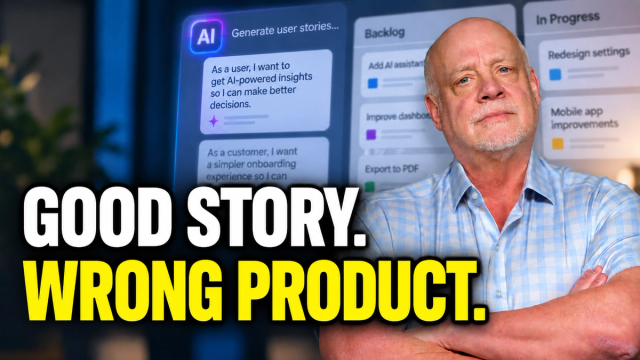
AI Can Write User Stories. But Should You Build Them?
See why polished AI-generated stories can still describe the wrong product—and how teams keep product judgment in the loop.
AI Can Write Backlog Items. It Can’t Create Shared Understanding
AI can generate polished user stories and acceptance criteria in seconds. Learn how to use it without skipping product judgment, user evidence, or team conversations.
How Detailed Should a User Story Be?
Capturing too much or too little detail in a user story causes problems. Here's how to get it right, iteratively.

Story Writing Workshop
Improve real backlog items in a facilitated workshop so teams can practice user stories with work they actually need to deliver.
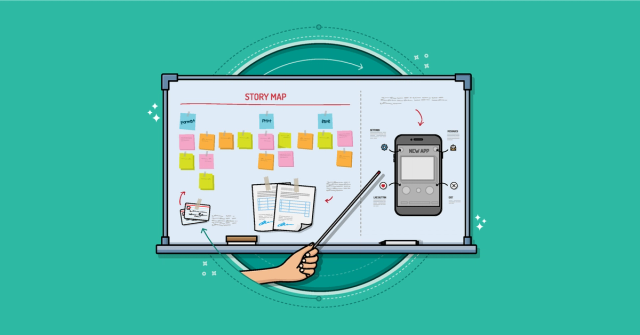
User Stories: How to Create Story Maps
Story maps help to create a shared understanding of the product, visualize user needs, and elicit user story ideas. Discover how to create your own.

How to Use AI for Product Discovery and Writing Better User Stories
Use AI to support product discovery, user interviews, and writing better user stories.
AI Prompts for Writing Better User Stories
Create INVEST-ready stories, fast. This prompt pack captures Mike Cohn’s process for writing and refining user stories and makes it reusable with AI.

Short Answers to Your Big Questions about User Stories
Get quick answers to common questions about user stories and acceptance criteria.
The Two Ways to Add Detail to User Stories
User stories can be deliberately vague at first but detail needs to be added eventually. There are two ways to do that.
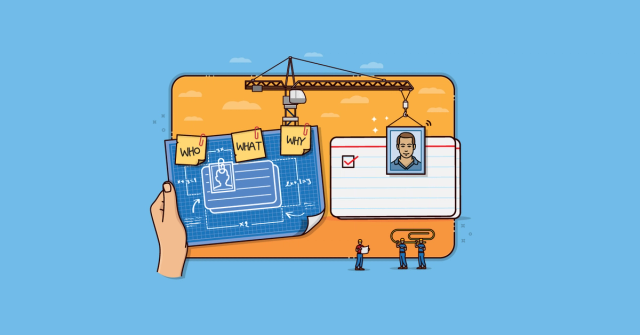
User Story Template: What It Is and Why It Works So Well
Understand why the three-part user story template works and where it falls short.
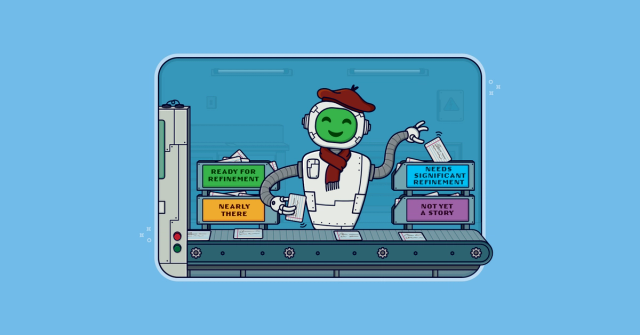
How the Story Critic AI Skill Helps Teams Write Better Backlog Items
See how AI coaching can help teams write clearer, smaller, more testable backlog items.
Be a Great Product Owner: Six Things Teams and Scrum Masters Need
See what teams and Scrum Masters need most from a product owner to make delivery smoother.
The Sprint Goal: What It Is and How It Can Help
Sprint goals are something every Scrum team should try to create. Learn what sprint goals are and what a good sprint goal looks like.

Story Critic
Story Critic is a free AI coach for improving backlog items without turning them into miniature specifications. It helps developers, testers, analysts, designers, and product owners make user stories, job stories,…

What Product Owners Do & 7 Mistakes to Avoid
Use seven common product owner mistakes to spot where ownership, prioritization, or collaboration may be breaking down.
Building a Product Users Want: From Idea to Backlog with the Vision Board
Connect product vision to backlog decisions so teams build toward a product customers actually want.

3 Ways to Help Agile Teams Plan Despite Uncertainty
We might not like ambiguity, but it’s a fact of life. Find out how to plan with uncertainty in mind.
What Are Agile Story Points?
Understand what story points measure and why they are often misunderstood.
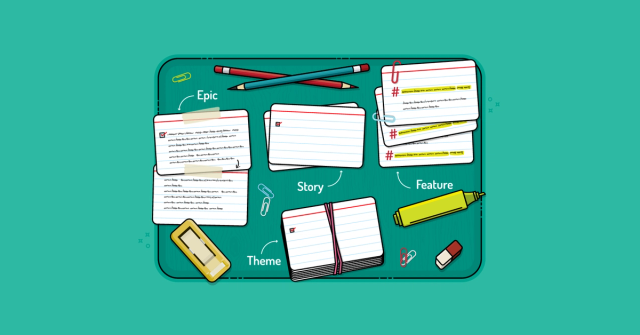
Epics, Features and User Stories
Clarify the difference between epics, features, and user stories without getting stuck on labels.
Five Story-Splitting Mistakes and How to Stop Making Them
There are plenty of mistakes a team can make when splitting user stories. Here are five of the most common.

Backlog Story Improvement
Improve backlog quality, story splitting, refinement, and the flow of work from idea to delivery.

Backlog Refinement Workshop
Improve refinement using real backlog items so planning is clearer and faster.