
Agile Teams and Risk Management
Ahh, it's fall. Not only does it bring the return of great, cooler weather but it also brings [American] football. And when there are football games, there are articles about football in newspapers and magazines. I, of course, know that Scrum's history is rooted in rugby rather than American football, but a football article I read this morning struck me as having a particular relevance to agile and Scrum development.
The article was about Nick Saban, coach of last year's college champion Alabama team. The article was about his process for winning championships; he's won three. One thing I found particularly relevant is that he holds a weekly "What If" meeting. During the What If Meeting, head coach Saban and his assistants pose and answer various what-if questions: What if the other team does this? What if the other team does that? What if our player's knee injury hasn't improved and he can't play?
I find this relevant to agile and Scrum projects because too few of those teams do any form of risk management. The Alabama football coaching staff's What If meeting is their form of risk management. I think it could be an appropriate level of risk management for many agile projects.
Many agile teams have completely eliminated explicit risk management. And for some projects, this is fine. The short timeboxes and focus on remaining constantly in a shippable state work wonders to eliminate a huge percentage of potential risks on development projects. However, there are still plenty of risks that could derail our projects. Even a lightweight approach to risk management--such as asking What If as part of sprint planning--could be a wise addition on many projects.

Managing Risk on Agile Projects with the Risk Burndown Chart
FeaturedIt is possible for risk management and agile project management to coexist on projects that need to explicitly do so.

Advice on Conducting Agile Project Kickoff Meetings
FeaturedTraditionally managed projects begin with a kickoff meeting. Here’s why and how agile projects can do the same.

When You Miss the Point of Sprint Planning Meetings
FeaturedRefocus sprint planning on shared understanding, not exhaustive task prediction.

Planning Poker
Planning Poker is a collaborative technique agile teams use to estimate product backlog items. It works because it combines independent thinking with team discussion.
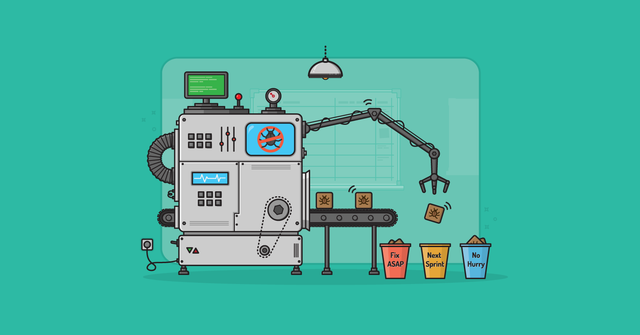
Defect Management by Policy: A Fast Easy Approach to Prioritizing Bug Fixes
Prioritize bug fixes quickly using clear policies instead of repeated case-by-case debates.

Iterative vs. Incremental Development: Why Agile Teams Need Both
Discover the difference between iterative and incremental, and how agile frameworks combine them for maximum effect.

Why Smart Teams Overcommit And How Leaders Make It Worse
Understand how leader pressure can push smart teams into unrealistic commitments.

Your Team Won’t Think of Everything in Sprint Planning Meetings. And That’s OK.
Your team is probably spending too much time in sprint planning meetings. Here’s how to spend less time but plan better.
The Benefits of Feature Teams
Moving away from component teams is a difficult but necessary step for those who want to adopt an agile project management approach.

Should a Team Assign Work During Sprint Planning?
Some teams assign all tasks upfront. Others don’t.
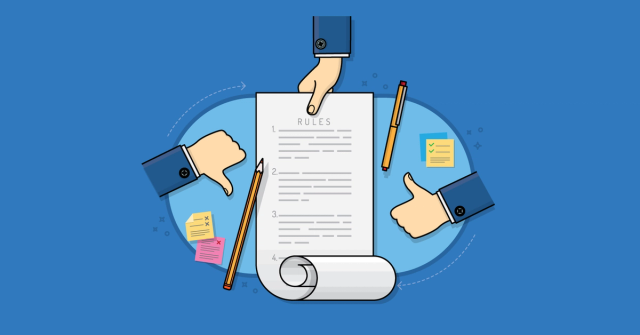
Placing Rules on Self-Organizing Teams
Learn when rules can help self-organizing teams without taking ownership away.
What Barbie Taught Me About Agile Project Management
Some projects absolutely must succeed. The movie Barbie was a must-succeed project. Your project might be too. Discover 4 lessons from Barbie that could also help your team succeed.
Do Teams Assign Tasks in Sprint Planning: Let's Find Out!
Should an agile team assign all of the tasks on its backlog during sprint planning? It depends. Find out more in this video from Mike Cohn.

Use a Pre-Mortem to Identify Project Risks Before They Occur
Talking about problems after they occur is too late. A pre-mortem can help a team avoid problems.

Short Answers to Your Big Questions about Scrum Masters
Mike answers three common questions about Scrum Masters, including who Scrum Masters report to.