
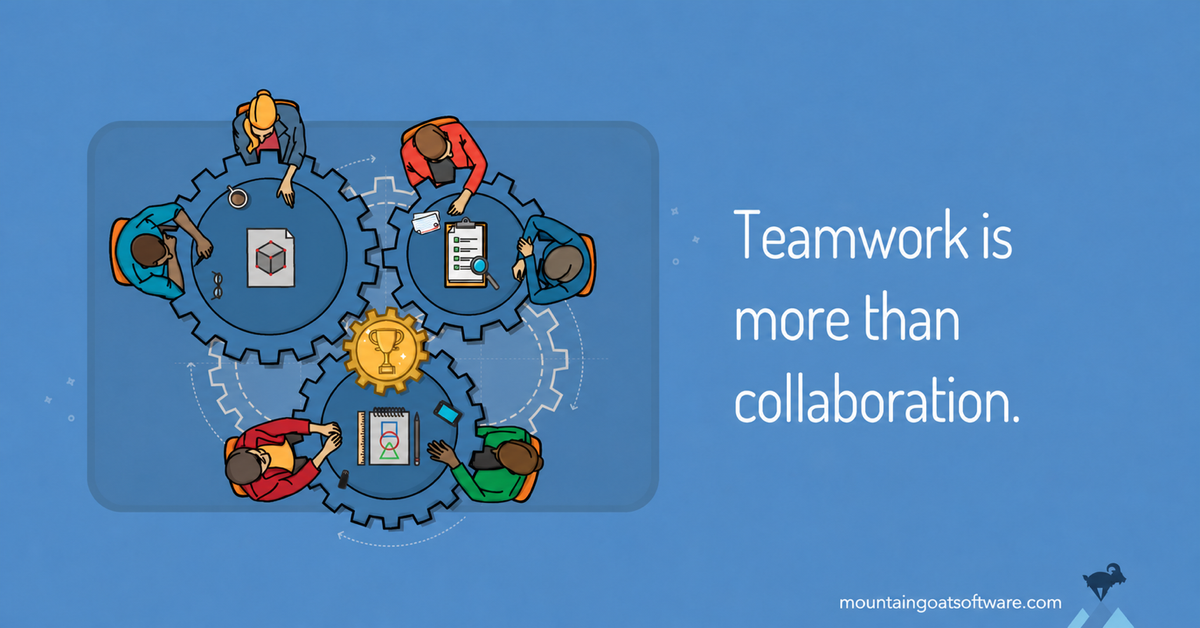
A group of skilled people does not automatically become a team. A real team shares a goal, makes decisions together, and helps work move from idea to done. That distinction matters in agile development, where success depends less on keeping each specialist busy and more on delivering something valuable together.
Agile teamwork is not about everyone doing the same job. It is about people with different skills coordinating closely, solving problems as they appear, and taking collective responsibility for the result.
What Agile Teamwork Looks Like
On a strong agile team, people organize around an outcome rather than around a sequence of individual assignments. They plan together, talk often, and adjust as they learn. When one person becomes blocked, the team treats the blockage as a team problem—not as that person’s private inconvenience.
You can usually recognize healthy teamwork by a few behaviors:
- The team works toward a clear, shared goal.
- Members care more about finishing valuable work than maximizing their individual utilization.
- People ask for help early and offer help without waiting to be assigned.
- Decisions are made by the people closest to the work whenever possible.
- The team regularly examines how it works and changes what is not helping.
These behaviors echo the principles behind the Agile Manifesto: build around motivated people, favor direct conversation, and allow the best solutions to emerge from self-organizing teams.
Teamwork Is More Than Collaboration
Collaboration is something a team does. Teamwork is the larger relationship that makes sustained collaboration possible. People can collaborate for an hour and then return to separate goals. Teammates remain accountable to one another and to a shared result.
That shared accountability changes everyday decisions. A developer may help clarify acceptance criteria before coding. A tester may join a design discussion before anything is ready to test. A product owner may work with developers to split a large idea into smaller pieces. Each person still contributes expertise, but nobody uses a job title as a wall.
Create the Conditions for a Real Team
Keep the team stable and small enough to work together
People need time to learn one another’s strengths, habits, and communication styles. Constantly moving people between teams resets that learning. A team should also be small enough for frequent communication while still including the skills needed to turn an idea into a usable increment.
Give the team a compelling purpose
A list of tasks is not a purpose. A good team knows whose problem it is solving and why the work matters. A product goal provides direction over time; a sprint goal gives the team a near-term reason to work together. When priorities compete, that shared purpose helps the team decide what to do next.
Build a cross-functional team
A cross-functional team has the combined skills needed to produce value. This does not mean every person must be able to do everything. It means the team as a whole can finish work without repeatedly handing it to another department. Specialists are valuable; dependence on long queues of specialists is not.
Give the team room to decide how to work
A team cannot self-manage if every meaningful decision must be approved elsewhere. Leaders need to provide both authority over the work and authority over how the team works. Clear boundaries still matter, but inside those boundaries the team should be trusted to solve problems and improve its process.
Make Work Flow Through the Team
Many teams adopt sprints but continue to work in phases: analysts analyze, programmers program, and testers test. The calendar changed, but the handoffs did not. Work piles up between roles, and most backlog items finish near the end of the sprint—if they finish at all.
Shrink the handoffs
Suppose a team is adding shipping choices to an ecommerce product. The feature might support several carriers, delivery speeds, pricing rules, and exceptions. One approach is to analyze all of it, code all of it, and then pass the whole feature to testing. That creates a large, late handoff.
A better approach is to begin with one thin slice—perhaps standard shipping through a single carrier. The product owner, developer, and tester clarify examples together. The developer and tester work in parallel, resolve questions quickly, and integrate the slice as soon as it works. Then the team adds the next carrier or option.
The work still moves between people, but the pieces are smaller and feedback arrives sooner. This is the practical point behind reducing handoffs between programmers, testers, and other specialists.
Overlap the work
Team members do not need every answer before they begin. They need enough shared understanding to take a useful next step. Overlapping analysis, development, and testing shortens feedback loops and exposes misunderstandings while they are still inexpensive to correct.
Overlapping work does not mean rushing or starting everything at once. It means collaborating on a small number of items and finishing them before pulling in more work.
Choose work that can finish throughout the sprint
A sprint filled entirely with large backlog items almost guarantees a rush at the end. Split some items into smaller, valuable slices so the team can complete work throughout the sprint. A healthy mix gives people opportunities to collaborate, learn, and help one another without creating a new bottleneck.
Warning Signs You Have a Group, Not a Team
Look for patterns such as these:
- Most backlog items remain in progress until the final days of the sprint.
- Testers wait for work and then receive everything at once.
- People say, “My part is done,” while the backlog item is still unfinished.
- Work stops whenever one specialist is unavailable.
- The daily scrum sounds like separate status reports rather than a plan for working together.
- Individual output is rewarded even when it makes the team’s overall flow worse.
These are system problems, not character flaws. The answer is rarely to tell people to collaborate harder. Change the work, incentives, team boundaries, or decision rules that encourage isolated behavior.
How Leaders and Scrum Masters Can Help
Leaders help by giving teams a clear direction, stable membership, access to the skills they need, and authority to improve how they work. They should reward team outcomes rather than local efficiency and remove organizational obstacles the team cannot remove itself.
A Scrum Master or agile coach can make waiting and oversized handoffs visible, facilitate difficult conversations, and help the team run small experiments. The goal is not to become the team’s permanent problem solver. It is to help team members become better at solving problems together.
Distributed teams need the same conditions, plus deliberate communication habits. Our advice for successful remote Scrum teams focuses on preserving shared context and connection when conversation cannot happen across a desk.
Start with One Sprint
Teamwork improves through practice. At the next retrospective, choose one question and turn the answer into a small experiment:
- Where did work wait longest this sprint?
- Which handoff could we make smaller?
- What could two people work on together next time?
- Which skill could more team members begin learning?
- Which decision should the team be able to make without outside approval?
Try one change, observe what happens, and adapt. That cycle—more than any team-building slogan—is how a group becomes a team.
If your team wants guided practice with Scrum roles, shared planning, and the habits that help work flow, explore Working on a Scrum Team.

Agile Teams And Collaboration
FeaturedAgile teams do more than divide work among specialists. They collaborate around shared goals, learn together, and take responsibility for finishing valuable work.

Working on a Scrum Team
FeaturedHelp the whole Scrum team build a shared approach to roles, planning, refinement, collaboration, and finishing valuable work together.

Why Your Scrum Team Still Works Like Individuals
FeaturedLearn how handoffs, individual task ownership, and status-report daily scrums keep Scrum teams from collaborating—and what to change next sprint.

Developers

Scrum, Remote Teams, & Success: Five Ways to Have All Three
In a remote-first world, how does an agile team thrive working in a virtual, distributed way?

Be a Great Product Owner: Six Things Teams and Scrum Masters Need
See what teams and Scrum Masters need most from a product owner to make delivery smoother.

Leading Agile Initiatives: How Leaders Help Agile Change Succeed
An agile initiative is not mainly a one-time rollout of Scrum, Kanban, SAFe, Jira, new job titles, or a different meeting calendar.
Self-Organizing Teams, their Benefits, and a Leader’s Role
Explore self-managing teams, including the role of leaders and outcomes of effective teamwork.

What Does Scrum Mean by Cross Functional Teams?
What exactly does cross functional mean and why does it matter?

What Is Cross-Functional Collaboration in Agile?
Clarify what cross-functional teams really need and what they do not.

How to Get Teams Aligned on What It Means to Be Agile
Align leaders, teams, and stakeholders around what agile really means.

Nine Questions Scrum Masters and Product Owners Should Be Asking
Use better questions to improve collaboration, decision-making, and team ownership.

How to Reward Agile Teams
Incentives and bonuses can be used to reward agile teams but must be aligned with agile principles. Here are some tips on how to do that.

25 Questions that Will Help You Know Your Teammates Better
Use questions to build trust, connection, and stronger collaboration across agile teams.

Agile Teams: Concurrent Engineering & Overlapping Work
Help teams overlap work without losing alignment or quality.
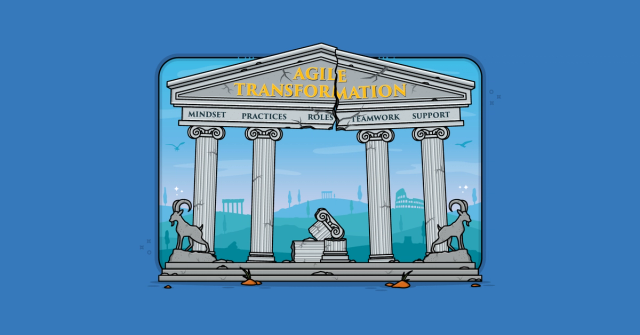
The Five Pillars of a Successful Agile Transformation
Discover the secret to a successful agile transformation and learn what to try if your organization is struggling.

A Leader’s Guide to Agile
Learn the ten things agile teams need their leaders to understand, and how your actions can help them succeed. Get Mike Cohn’s free 91-page guide to the ten things agile teams most need their leaders to know.

Team Reset
Help a stuck Scrum team diagnose recurring problems, realign expectations, and choose practical changes.

Scrum Team Improvement
Strengthen team collaboration, Scrum practices, role clarity, and delivery.

Team Improvement Sprints
Make focused improvements through short coaching engagements built around the team’s most important challenge.