

You have undoubtedly had team members complain at some point about the length of your daily scrums. Join the club.
I want to share two extremely simple things you can do to put an end to most of those complaints. (I can’t promise getting rid of all complaints—some people will always complain.)
Tactic 1. Make the Daily Scrum Timebox Visible
The first thing Scrum Masters can do is to make it clear when the team is in the daily scrum and when they are taking time after the daily scrum to problem solve.
For example, if two hot issues are mentioned during the daily scrum, a good Scrum Master might stop discussion of those topics, following the guideline of no problem solving during the daily scrum. Then, at the end of the daily scrum, the Scrum Master will then bring the two topics back up and people will start discussing them. This leads to the team being there for longer than the standard timebox of 15 minutes for a daily scrum—and is often the cause of complaints. (You might consider occasionally breaking the 15-minute timebox when working with remote teams.)
To stop those complaints, end every daily scrum by announcing how long the meeting took. Do this right everyone has addressed the three questions of the daily scrum (either person by person or story by story) and before switching into problem-solving mode.
You might, for example, announce, “Thanks everyone. That took twelve minutes.”
Then, remind everyone of any problems or issues that were brought up. Suggest that those who are needed stay to discuss or resolve them: a practice often referred to as the sixteenth minute. If needed, facilitate the team splitting into more than one subgroup if more than one issue needs to be discussed.
The simple act of closing one meeting before beginning another will stop most teams from complaining about how long daily scrums take.
Tactic 2: Give People Permission to Leave
And important follow-on step to making the daily scrum timebox visible is to let anyone who isn't needed leave after the officialy daily scrum is over. Do this by announcing that those who are not needed to resolve any of the issues being discussed can leave.
By taking these two actions:
-
Calling the daily scrum officially over and announcing how many minutes it took; and,
-
Telling team members who are not needed for further discussions that they can leave
You will help team members from feeling that the daily scrum is exceeding its 15-minute timebox.

Daily Scrum
FeaturedThe Daily Scrum is a short daily meeting that helps the team inspect progress toward the Sprint Goal and adapt its plan for the next day of work. Done well, it gives team members a shared understanding of what has…

The Daily Scrum: It's Not a Status Meeting for the Scrum Master
FeaturedThe Scrum Guide says Scrum Masters shouldn't attend the daily scrum unless they are working on sprint tasks. Find out why I agree that daily scrums are for those working on tasks, but disagree about whether or not the Scrum Master should be there.
Surviving the Daily Scrum eBook
FeaturedUse this free Scrum Repair Guide eBook to diagnose common daily scrum problems and apply practical techniques that work in real teams. This eBook, part of the Scrum Repair Guide series, contains useful, practical…
Does Scrum Have Too Many Meetings?
Are teams complaining about Scrum meetings? Learn why that happens, and how to fix it.

Should the Daily Scrum Be Person-by-Person or Story-by-Story?
Choose whether to discuss work person-by-person or story-by-story in daily scrum.

Daily Scrums: Synchronization Meetings, Not Status Meetings
Turn daily scrums into team synchronization rather than reporting to one person.

Incentives and Deterrents for Starting Daily Scrums On Time
Encourage team members to arrive on time for daily scrums without creating bad incentives.
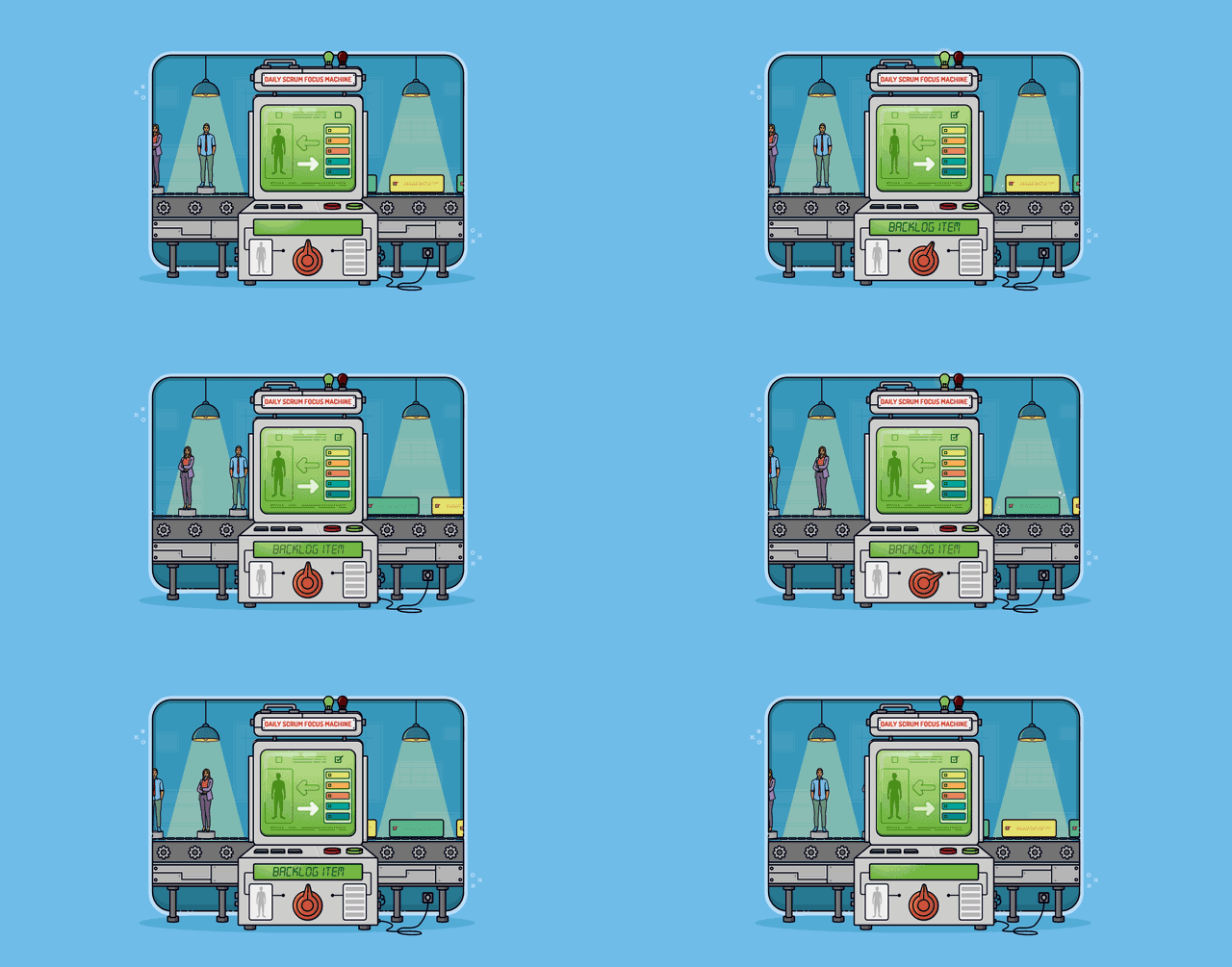
Daily Scrums Not Working? Try This Instead.
Refocus daily scrums on coordination and progress instead of empty status updates.

Four Things to Do Before the Scrum Master Goes on Vacation
Prepare the team before a Scrum Master goes on vacation.

How To Coach Your Team to Run Daily Scrum Meetings Themselves
Three things to stop doing now so that running the daily scrum becomes a whole-team activity.

Overcoming Four Common Objections to the Daily Scrum
Do Scrum long enough and someone will suggest stopping the daily scrums. Here’s how to reply.

Troubleshooting Nightmarish Daily Scrums
Fix daily scrums that feel stale, long, or low-value.

Does a Scrum Team Need a Retrospective Every Sprint?
Decide how often retrospectives should happen based on sprint length and team needs.

Be a Great Product Owner: Six Things Teams and Scrum Masters Need
See what teams and Scrum Masters need most from a product owner to make delivery smoother.