
Establishing a Common Baseline for Story Points
A common criticism of story points is that the meaning of a story point will differ among teams. In this post I want to describe how can we establish a common definition of a story point across multiple teams within an organization.
The best way to estabish a common baseline for story points across teams is to bring a broad group of individuals representing various teams together and have them estimate a dozen or so product backlog items (ideally in the form of [user stories](/agile/user-stories)). Not every estimator needs to understand every item but most people should understand most items.
The items being estimated do not need to be new items:
-
Some could be from a project finished recently that many estimators remember or worked on.
-
Some items could be artificial; perhaps the team is asked to estimate, "a typical transaction activity report." If that meant something to most estimators, it would be a good candidate item.
I've done with this 46 people in a large conference room--44 estimators plus me and a coach from my client who wanted to watch so he could moderate such a meeting the next time one would be needed. The 44 estimators represented 22 teams; two estimators per team were in the meeting.
If you've seen or used a Mountain Goat Planning Poker deck, you'll have noticed that the cards feature a very large number in the middle (plus the number in a smaller font in the corners). We could have done something cute like put eight little goats on the eight card. We put the very large number there deliberately, though: We wanted it to be visible across a potentially large conference room.
You can probably imagine how difficult it might be to gain consensus among 46 people playing planning poker. While it will not take proportionately longer to derive estimates, it does take quite awhile with that many people. I think it took us about two hours to estimate twelve items. But when that meeting was over, each pair of estimators went back to their teams with twelve estimates. Those estimates could then be used as the basis for estimating future work. As each team estimated new product backlog items they would do so by comparing them to the initial 12 plus any estimates that had been produced since (by them or any other team).
To see if it is a good idea to establish a common baseline, read Is It a Good Idea to Establish a Common Baseline for Story Points?

The Best Way to Establish a Baseline When Playing Planning Poker
FeaturedEstablish useful baselines so Planning Poker estimates stay relative.

How to Estimate Story Points With Multiple Teams
FeaturedEstablishing a common baseline allows multiple teams to estimate consistently with story points.

Is It a Good Idea to Establish a Common Baseline for Story Points?
FeaturedDecide whether shared story point baselines help or hurt across teams.

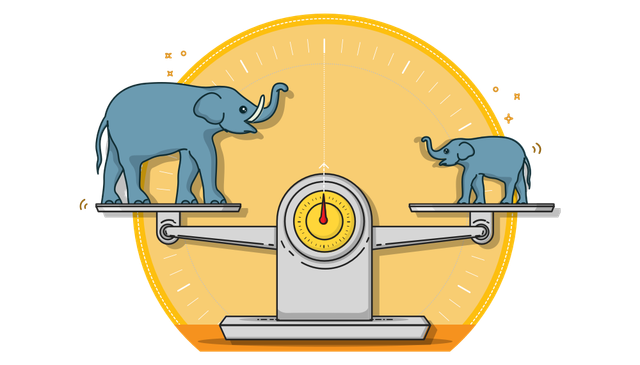
A Second Way to Prevent Estimate Inflation
Learn one more practical technique for preventing estimate inflation and keeping your team's story point estimates useful over time. Go beyond the blog post - find out one more way to prevent estimate inflation.

Four Reasons Agile Teams Estimate Product Backlog Items
Estimating product backlog items provides benefits beyond predicting when a project will be finished.

Estimating
Build practical agile estimating skills with story points, planning poker, triangulation, velocity, and techniques for making useful forecasts without chasing false precision.
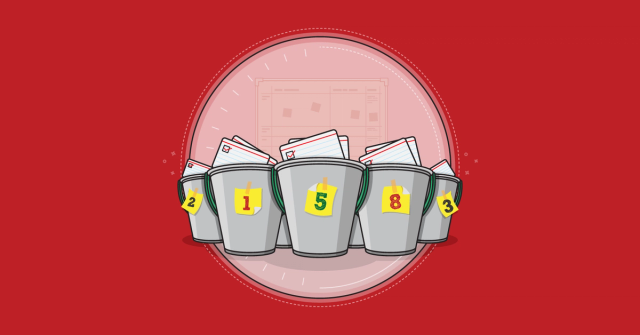
7 Ways to Get the Best Estimates of Story Size
Agile teams often struggle to estimate product backlog items. Here are 7 ways to make solid improvements.

Not Everything Needs to Be a User Story: Using FDD Features
Know when FDD-style features may work better than forcing every item into a user story.

User Stories
User stories help agile teams move from documenting requirements to understanding them. This guide explains what user stories are, how to write them, how to recognize good stories, and how to use practices such as…

What Are Agile Story Points?
Understand what story points measure and why they are often misunderstood.

Don’t Estimate the Sprint Backlog Using Task Points
Some teams like story points so much, they invent task points and use those for sprint planning. Bad idea.
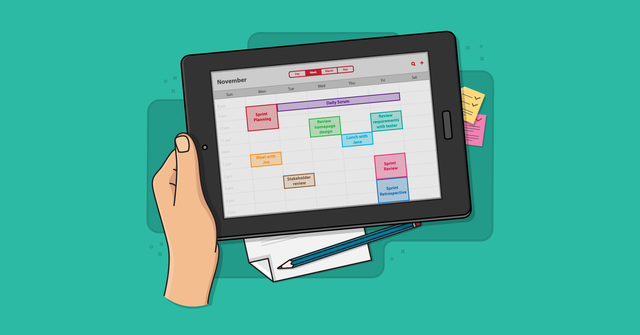
Does Scrum Have Too Many Meetings?
Are teams complaining about Scrum meetings? Learn why that happens, and how to fix it.

Estimating & Planning
Improve estimates, forecasts, release planning, and conversations about scope, timing, and risk.

Why Agile Teams Should Estimate at Two Different Levels
It’s important for most agile teams to estimate both their product and sprint backlogs. But why?

The Main Benefit of Story Points
Understand why teams use story points instead of hours or days.

Don’t Equate Story Points to Hours
Story points are about time, specifically effort. But that does not mean you should say, “One story point = eight hours.

Plan Visualizer
The Plan Visualizer is a free agile forecasting tool for testing whether a target scope can be completed by a target deadline. It plots the plan against a low and high velocity estimate so teams and stakeholders can…

Accurate Agile Planning
Help teams create credible forecasts, plan under uncertainty, and make better decisions about scope, timing, risk, and tradeoffs.

Velocity Range Calculator
Use this to calculate a velocity range from historical sprint data and support milestone forecasting.