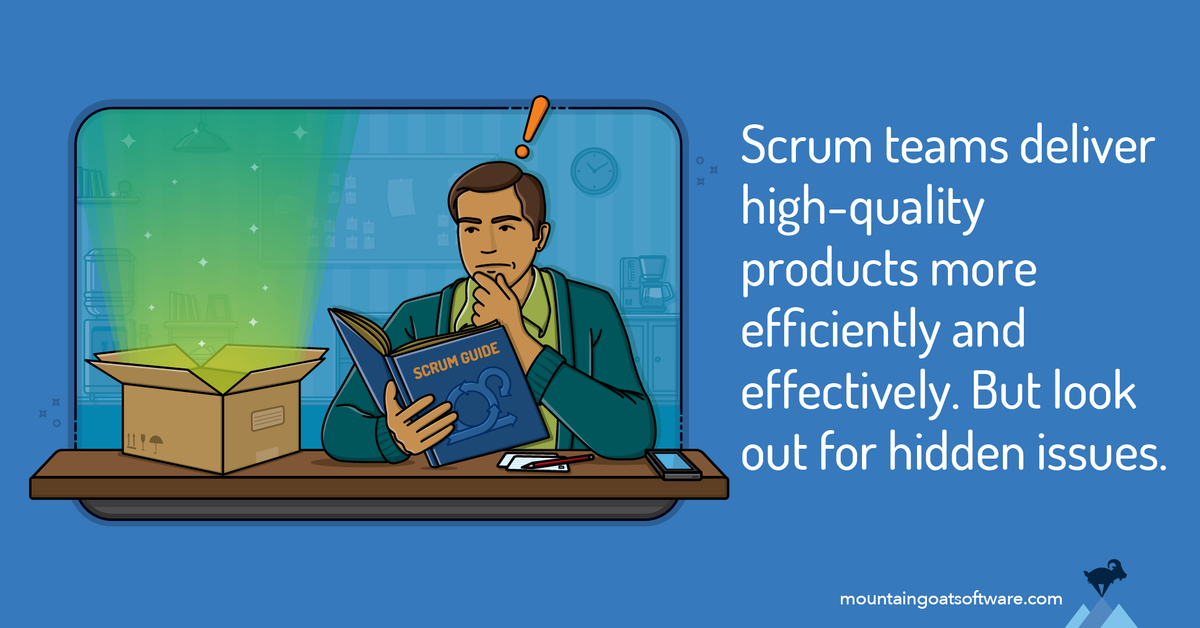
What are the benefits of Scrum? Scrum offers several advantages that can significantly benefit teams and organizations:
-
Improved Team Communication and Collaboration: Scrum fosters better communication and collaboration among Scrum team members through regular Scrum events like daily scrums, sprint planning, and sprint retrospectives.
-
Focus through Short, Timeboxed Iterations: Scrum’s use of sprints, which are fixed time periods, helps teams stay focused on delivering a specific set of work within a defined timeframe.
-
Emphasis on Finishing Work: Scrum encourages teams to complete tasks rather than juggling multiple concurrent items and encourages organizations to focus on fewer projects, which can lead to higher productivity and better quality.
-
Lightweight and Adaptable Plans: Scrum allows for flexible agile planning that can be quickly updated based on feedback and changing requirements.
-
Empowerment of Teams: Scrum encourages stakeholders to empower teams to find the best ways to achieve their objectives, fostering innovation and ownership.
-
Continuous Improvement: Through regular retrospectives, Scrum teams continuously reflect on their processes and make improvements, leading to better performance over time.
-
Rapid Feedback: Scrum supports rapid feedback on progressively better solutions, allowing teams to adjust and improve their work iteratively.
These advantages of Scrum make it a powerful framework for managing complex projects and driving continuous improvement within teams and organizations.
Let’s dive deeper into the advantages (and disadvantages) of Scrum and how they can transform your team's productivity and overall project success.
Scrum Offers Improved Team Communication and Collaboration
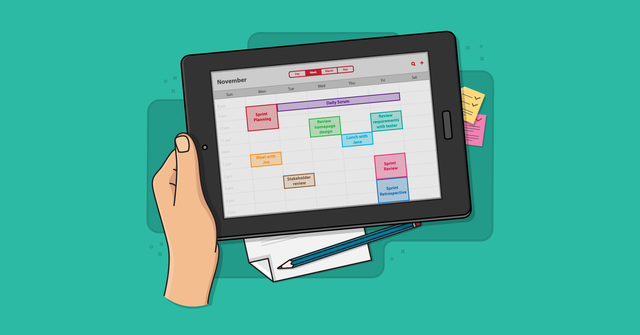
One of the biggest benefits of Scrum is how often Scrum teams get together to communicate and plan how to collaborate to get work done. This happens through the regularly scheduled Scrum meetings (aka Scrum events).
Daily Scrums: These short, daily meetings ensure everyone is on the same page, discussing what was done yesterday, what will be done today, and any impediments. This constant communication helps identify and resolve issues quickly.
Sprint Planning: During sprint planning, the team works together to decide what work will be done in the upcoming sprint. This fosters a sense of shared ownership and commitment.
Sprint Retrospectives: At the end of each sprint, the team reflects on what went well, what didn’t, and how to improve. This continuous feedback loop enhances team dynamics and performance.
Scrum Creates Focus through Short, Timeboxed Iterations
Another advantage of Scrum is the focus it brings to a team’s work.
Sprints: By working in short, fixed-length iterations (usually 1–4 weeks) called sprints, teams can focus on delivering a specific set of features or improvements. This timeboxed approach helps to maintain a clear focus and reduces the risk of scope creep.
Incremental Delivery: Each sprint results in a potentially releasable product increment, allowing for regular progress checks and adjustments.
Working at a sustainable pace prevents burnout and reduces errors, leading to higher quality work.
Scrum Teams Value Finished Work
As mentioned before, Scrum teams aim to deliver some increment of value at the end of every sprint. They cannot accomplish this 100% of the time, but high-performing teams deliver reliably. By delivering work in small, incremental pieces, teams can get feedback from users and stakeholders more frequently. This helps them make informed decisions and adjustments.
Teams maintain two practices that help ensure the right work is finished every sprint:
Definition of Done: Scrum teams define what done means for each task, ensuring that work is fully completed before moving on. This prevents technical debt and ensures higher quality. To achieve this level of done every sprint, Scrum often incorporates best practices like pair programming, refactoring, and automated testing, which further enhance quality.
Prioritization: Scrum ensures that the most important features are delivered first, by prioritizing work based on value; the result is higher customer satisfaction.
Scrum Relies on Lightweight and Adaptable Plans
Scrum promotes transparency through artifacts like the product backlog, sprint backlog, and burndown charts, making it easier to track progress and identify issues early.
Scrum provides two built-in mechanisms for visualizing the work to be done: the product backlog and the sprint backlog.
Product Backlog: The product backlog is a dynamic list of desired outcomes and features. It is continuously refined and reprioritized based on feedback and an improved understanding of users’ needs.
**Sprint Backlog: **The sprint backlog is a subset of the product backlog that the team commits to completing in a sprint. This allows for flexibility and adaptability within each iteration. Working on a Scrum Team Our
Working on a Scrum Team is a live course (virtual or in-person) that gives your teams the principles and practices they need to be sprint-ready. You’ll learn practical skills that meet the unique needs of your teams. Our industry-leading Scrum experts have helped more than 60,000 agile professionals (and counting). We can train your whole team (or multiple teams) at once, so you are fully prepared to start delivering in just two days. Get more information.
Scrum Empowers Teams to Make Decisions
Scrum teams are designed to be self-organizing. They also have regular engagement with their stakeholders through sprint reviews, made to give them the feedback they need to build the right features for their customers.
Self-Organizing Teams: Scrum teams are self-organizing, meaning they decide how best to accomplish their work. This autonomy leads to higher motivation and innovation.
Stakeholder Engagement: Regular sprint reviews involve stakeholders in the process, ensuring their needs and feedback are continuously integrated.
Scrum Values Continuous Improvement
Scrum can help your team deliver high-quality products more efficiently and effectively, while continuously improving and adapting to changing needs. This iterative and collaborative approach not only enhances productivity but also fosters a culture of continuous learning and improvement.
Inspect and Adapt: Scrum’s iterative nature allows teams to regularly inspect their work and processes, then adapt based on what they learn. This leads to continuous improvement and higher efficiency.
Retrospectives: These meetings provide a structured way for teams to discuss what’s working and what’s not, and to implement changes that can lead to better performance.
Scrum Supports Rapid Feedback
Traditionally, waterfall projects would often develop a project for months or even years before releasing something usable to customers. Worse, what they eventually delivered often did not match customer needs.
And they didn’t find this out until they’d already invested a great deal of labor into development, an expensive lesson that often made late projects even later.
Frequent releases. Agile processes like Scrum deliver small pieces of the end product often, so they can incorporate learning early in the project, when it is cheaper to adjust plans.
Some Overlook One Scrum Drawback
Here’s the bad news hiding behind all the benefits: Teams that are transitioning to agile with Scrum often find that they face a steep learning curve, not just in terms of cross-functional collaboration and agile teamwork, but also in terms of educating the rest of the organization on how to work with agile teams.
To work well, Scrum will require changes to the way you work. From how you fund projects to how you reward agile teams to how you structure teams, an agile way of working comes with change. And change isn’t easy.
The good news is that the benefits to an agile way of working far outweigh the temporary pain of change, especially on complex projects.
If you’d like help to build consistent practices across teams, or if your teams are moving to Scrum and struggling, Working on a Scrum Team can get team members working in the same way, using the same language and understanding of Scrum. You can read about the course here, or book a call for more support options.