

The Product Owner is accountable for maximizing the value of the product created by the Scrum Team.
That means the Product Owner decides what matters most, orders the Product Backlog, communicates the Product Goal, works with stakeholders, and helps Developers understand the product outcomes behind the work.
The Product Owner does not tell Developers how to build the product or how much work they must take into a sprint. The Product Owner helps the Scrum Team focus on the right work and make better product decisions.
Who This Page Is For
This page is for people who want a practical understanding of the Product Owner role in Scrum.
It is especially useful for:
- Product Owners learning what the role requires
- Scrum Teams that need clearer product decisions
- Stakeholders who want to understand how requests become product backlog items
- Scrum Masters helping improve Product Owner availability and backlog transparency
- Leaders deciding whether Product Owners have enough authority to do the job well
What This Page Covers
This page explains what Product Owners are accountable for, how they work with stakeholders and Developers, how they manage the Product Backlog, and what problems appear when Product Owners are unavailable, underpowered, or unclear about their role.
It also explains what Product Owners should not do: assign work to Developers, decide how the work must be done, or force more work into a sprint than Developers believe they can complete.
What Is a Product Owner?
A Product Owner is the Scrum accountability focused on product value.
The Product Owner decides what should be built next and why. To make those decisions well, the Product Owner needs to understand users, customers, stakeholders, competitors, constraints, business goals, and the product’s current reality.
A Product Owner is not simply a backlog administrator. The Product Owner is a decision maker.
A good Product Owner can explain:
- What the Product Goal is
- Why the top Product Backlog items matter
- What tradeoffs have been made
- Which stakeholders need to be heard
- What feedback has changed the plan
- What the Scrum Team should learn next
Without strong product ownership, Developers may stay busy building work that is less valuable than it appears.
Product Owners Face Two Directions
A Product Owner faces outward and inward.
Outward, the Product Owner works with customers, users, stakeholders, leaders, sales, support, operations, and others who care about the product. The Product Owner listens, learns, explains tradeoffs, and gathers feedback.
Inward, the Product Owner works with the Scrum Team. The Product Owner explains the goals behind the work, answers questions, clarifies acceptance criteria, and helps Developers understand what outcome matters.
Both directions matter.
A Product Owner who talks only to stakeholders may be unavailable to Developers. A Product Owner who talks only to Developers may lose touch with users, customers, and business goals.
The best Product Owners keep both conversations active.
What the Product Owner Is Accountable For
The Product Owner is accountable for effective Product Backlog management.
That includes:
- Developing and communicating the Product Goal
- Creating and clearly communicating Product Backlog items
- Ordering Product Backlog items
- Ensuring the Product Backlog is transparent, visible, and understood
The Product Owner may delegate work. Developers may help split items. Stakeholders may suggest new ideas. Users may provide feedback. Analysts, designers, support people, or leaders may add details.
But accountability stays with the Product Owner.
That is important because the Scrum Team needs one clear ordering of the Product Backlog. If everyone owns priority, no one owns priority.
The Product Owner Orders the Product Backlog
The Product Backlog should be ordered, not merely labeled with broad priority categories.
A long list of “high priority” items does not help much. Ordering forces tradeoffs. Something is first, something is second, and something else waits.
The Product Owner may consider many factors when ordering the backlog:
- Customer value
- User value
- Product Goal alignment
- Urgency
- Risk reduction
- Learning value
- Cost of delay
- Dependencies
- Size or effort
- Stakeholder commitments
Developers and stakeholders should contribute information. Developers may see technical risk or cheaper alternatives. Stakeholders may see business urgency. Customers may reveal needs the organization did not expect.
The Product Owner listens, weighs the options, and keeps the backlog ordered.
Product Owners Decide What, Not How
The Product Owner is accountable for what should be built and why.
Developers are accountable for how to build it. Developers decide how much work they believe they can complete during a sprint and how they will organize the work.
That boundary matters.
The Product Owner should not say, “We have four sprints left, so you must complete one-fourth of the backlog this sprint.” Developers make the forecast during Sprint Planning because Developers know the work best.
The Product Owner can challenge, clarify, and negotiate scope. The Product Owner can explain why something matters. The Product Owner can ask whether a smaller version would still be valuable.
But the Product Owner should not turn product accountability into task assignment.
Product Owners Work with Stakeholders
Stakeholder management is a major part of product ownership.
Stakeholders often have different goals, different urgency, and different ideas about what should come next. If the Product Owner treats stakeholders as a set of unrelated individuals, the Product Owner can end up carrying messages and negotiating priorities one conversation at a time.
A stronger approach is to help stakeholders work more like a group.
That may mean:
- Bringing stakeholders together rather than meeting only one-on-one
- Making tradeoffs visible
- Encouraging stakeholders to hear one another’s needs
- Separating urgent requests from important goals
- Explaining why some ideas will wait or not be built
- Using Sprint Reviews to create shared feedback
The Product Owner remains accountable for the final ordering, but good stakeholder collaboration produces better decisions.
Product Owners Work with Developers
The Product Owner should be available to Developers.
Developers need timely answers, quick feedback, and enough context to make good implementation choices. They also need to understand why the work matters, not just what is written in a backlog item.
A Product Owner does not need to sit with Developers every minute. But if Developers regularly wait for answers, guess at intent, or discover late that they misunderstood the goal, Product Owner availability is probably too low.
Good Product Owners work with Developers during refinement, Sprint Planning, the sprint itself, and the Sprint Review. Product ownership is not a once-a-sprint activity.
The Product Owner During a Sprint
During a sprint, the Product Owner should support the Scrum Team without disrupting the Sprint Goal.
That often includes:
- Answering questions
- Clarifying acceptance criteria
- Reviewing emerging work
- Helping make scope tradeoffs
- Preparing upcoming Product Backlog items
- Talking with stakeholders about feedback and next steps
The Product Owner should also resist the urge to push every new idea into the current sprint.
New ideas are welcome. Change is welcome. But most new ideas belong in the Product Backlog until the Scrum Team decides what to do next. If a change is important enough to affect the Sprint Goal, the Product Owner and Developers need to discuss the tradeoff explicitly.
Product Owner Authority and Availability
A Product Owner needs enough authority to make product tradeoffs.
If every meaningful decision must be escalated, the Scrum Team may wait too long, build the wrong thing, or receive conflicting direction from multiple stakeholders.
A Product Owner also needs enough availability to do the job.
A Product Owner who is accountable for too many products, too many Scrum Teams, or too many stakeholder groups may become a bottleneck. The Scrum Team may compensate by guessing, delaying decisions, or working on items with weak product context.
A busy Product Owner is not automatically a bad Product Owner. But the role cannot be effective if the person has no time to make decisions, answer questions, and learn from feedback.
Common Product Owner Problems
The Product Owner Is Too Busy
Developers need timely answers and feedback. Stakeholders need someone who can explain priorities and tradeoffs.
When the Product Owner is unavailable, Scrum Teams often stay busy but lose focus. For more detail, see What Does a Product Owner Do, When, and Why?.
The Product Owner Has Responsibility Without Authority
A Product Owner who cannot make real decisions will struggle.
If stakeholders, committees, or managers repeatedly override the Product Owner, the Scrum Team may receive mixed signals and weak priorities. For more detail, see What Does a Product Owner Do, When, and Why?.
The Product Backlog Becomes a Storage Closet
A Product Backlog that contains every idea anyone has ever mentioned becomes hard to use.
The Product Owner should keep the backlog useful, ordered, and pruned. Removing a low-value or stale item is often good product ownership.
The Product Owner Tells Developers How to Work
The Product Owner should explain outcomes, value, users, and tradeoffs.
Developers decide how to build the increment. Product Owners weaken Scrum when they turn product decisions into task-level direction. For more detail, see What Does a Product Owner Do, When, and Why?.
Stakeholders Bypass the Product Owner
When stakeholders go directly to Developers with requests, the Scrum Team can lose coherence.
The Product Owner should not block useful conversation, but product tradeoffs need to flow through one accountable Product Owner. For more detail, see The Product Owner’s Second Team.
The Product Owner Avoids Hard Tradeoffs
Product ownership requires saying no, not yet, or not now.
A Product Owner who tries to satisfy everyone may create a backlog with no real order and a Scrum Team with too many competing goals. For more detail, see What Does a Product Owner Do, When, and Why?.
Is Product Ownership Working?
Use these questions to find the next product-ownership conversation your Scrum Team may need:
- Can the Product Owner explain the Product Goal?
- Is the Product Backlog ordered and visible?
- Do Developers understand why the top items matter?
- Can the Product Owner make real tradeoff decisions?
- Are stakeholders giving feedback through useful channels?
- Is the Product Owner available enough during the sprint?
- Are new ideas added to the Product Backlog rather than pushed into the sprint by default?
- Does the Product Owner use Sprint Review feedback to adapt the Product Backlog?
- Can the Product Owner say no or not now when needed?
Use the answers to focus the next improvement.
FAQ
What is a product owner in Scrum?
A Product Owner is accountable for maximizing the value of the product created by the Scrum Team.
The Product Owner orders the Product Backlog, communicates the Product Goal, works with stakeholders, and helps Developers understand what matters and why.
Who owns the product backlog?
The Product Owner is accountable for the Product Backlog.
Others may add ideas, split items, contribute details, estimate, or provide feedback. The Product Owner remains accountable for ordering the backlog and keeping it useful.
Does the product owner write every user story?
No.
A Product Owner may write some user stories, but Developers, analysts, designers, stakeholders, or others can help. The Product Owner is accountable for the Product Backlog, not for personally typing every item.
Can a product owner tell developers how to build something?
The Product Owner should explain what is needed and why it matters.
Developers decide how to build the increment. The Product Owner may offer information, constraints, and feedback, but should not assign tasks or dictate technical work.
Can there be more than one product owner?
A Scrum Team should have one Product Owner.
Many people can advise, influence, or contribute. But Scrum needs one accountable Product Owner to make final tradeoff decisions and keep the Product Backlog ordered.
Should the product owner attend the daily Scrum?
The Product Owner may attend when doing so helps Developers coordinate or answer questions.
The Product Owner should avoid turning the Daily Scrum into a review, approval session, or status meeting.
What makes a product owner effective?
Effective Product Owners understand users and stakeholders, make clear tradeoffs, keep the Product Backlog ordered, communicate the Product Goal, stay available to Developers, and learn from feedback.

Why Your Scrum Team Still Works Like Individuals
FeaturedLearn how handoffs, individual task ownership, and status-report daily scrums keep Scrum teams from collaborating—and what to change next sprint.

Effective Product Owner
FeaturedHelp product owners make clearer priorities, backlog decisions, and stakeholder tradeoffs.

Should the Daily Scrum Be Person-by-Person or Story-by-Story?
FeaturedChoose whether to discuss work person-by-person or story-by-story in daily scrum.

Multiple Levels of Done
Define done at more than one level so expectations stay clear from story to release.

The Sprint Goal: What It Is and How It Can Help
Sprint goals are something every Scrum team should try to create. Learn what sprint goals are and what a good sprint goal looks like.
Be a Great Product Owner: Six Things Teams and Scrum Masters Need
See what teams and Scrum Masters need most from a product owner to make delivery smoother.

Product Owner
Explore the Product Owner role, from deciding whether it fits you to setting product goals, prioritizing the backlog, engaging stakeholders, and making better product decisions.
What Does a Product Owner Do, When, and Why?
Clarify what product owners do before work starts, during planning, and throughout each sprint.

Should You Become a Product Owner?
Explore the skills, paths, and tradeoffs to consider before stepping into the product owner role.

Why Agile Teams Should Estimate at Two Different Levels
It’s important for most agile teams to estimate both their product and sprint backlogs. But why?
Writing the Product Backlog Just in Time and Just Enough
Keep backlog detail just enough and just in time.
How Detailed Should a User Story Be?
Capturing too much or too little detail in a user story causes problems. Here's how to get it right, iteratively.
How to Engage & Help Busy Product Owners
With many competing pulls on their time, product owners can be hard to catch during a sprint. Learn how to help harried product owners seize opportunities to inspect and adapt outside the sprint review.
Top 7 Ways to Engage Stakeholders in Sprint Reviews
Poorly attended sprint reviews cause real problems. Fortunately there are easy fixes.
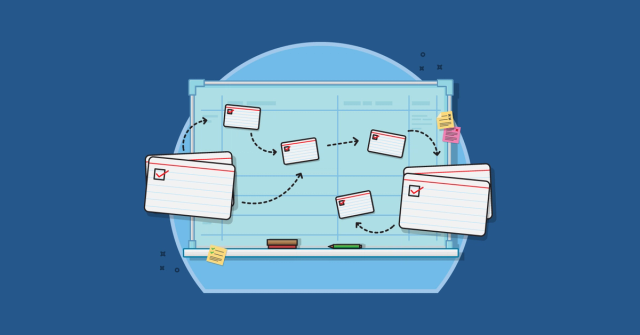
Product Backlog Refinement
Learn about product backlog refinement: how, when, and why the agile team and product owner refine the product backlog in Scrum.

Leading Agile Initiatives: How Leaders Help Agile Change Succeed
An agile initiative is not mainly a one-time rollout of Scrum, Kanban, SAFe, Jira, new job titles, or a different meeting calendar.

When Should We Estimate the Product Backlog
Estimate backlog items at the right time and level of detail.

What Product Owners Do & 7 Mistakes to Avoid
Use seven common product owner mistakes to spot where ownership, prioritization, or collaboration may be breaking down.

Three Rights of Effective Scrum Masters
To be effective, a Scrum Master has a right to expect at least three things from their company culture. Find out what those are.
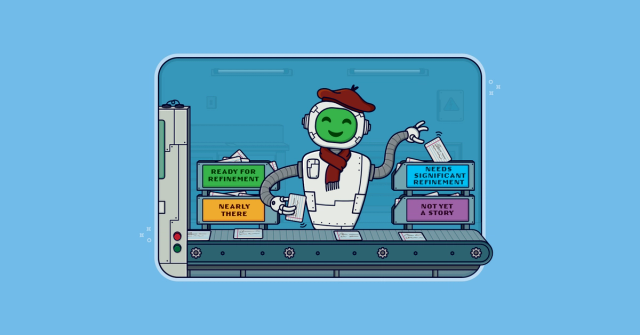
How the Story Critic AI Skill Helps Teams Write Better Backlog Items
See how AI coaching can help teams write clearer, smaller, more testable backlog items.
Four Reasons Agile Teams Estimate Product Backlog Items
Estimating product backlog items provides benefits beyond predicting when a project will be finished.

Nine Questions Scrum Masters and Product Owners Should Be Asking
Use better questions to improve collaboration, decision-making, and team ownership.

Certified Scrum Product Owner
Build practical product ownership skills and earn Scrum Alliance Certified Scrum Product Owner certification.
Advanced Certified Scrum Product Owner
Private Advanced Certified Scrum Product Owner course for experienced product owners who want stronger product judgment, stakeholder leadership, and A-CSPO certification.