
Practical Support For Agile Teams And Leaders
Mountain Goat Software helps teams improve how they plan, collaborate, manage backlogs, make product decisions, and deliver valuable work.
We combine workshops, coaching, Team Improvement Sprints, and follow-through support so teams can apply agile practices to the work they are actually doing.
Find The Right Support For Your Team
Teams often experience different symptoms of the same underlying problems.
Some teams are using Scrum but not getting the results they expected. Others have backlogs full of large, unclear work. Some need better estimating, planning, and forecasting conversations. Others need stronger alignment between product, engineering, and leadership.
Our services focus on those challenges.

Scrum Team Improvement
Best when teams need help improving planning, collaboration, Scrum events, role clarity, and follow-through during the sprint. This may include strengthening sprint planning, the daily Scrum, reviews, and retrospectives, and helping teams work together more effectively throughout the sprint.

Backlog & Story Improvement
Best when backlog quality, refinement, story splitting, or shared understanding are slowing delivery. This may include improving backlog refinement, splitting large stories, clarifying acceptance expectations, and strengthening product owner and team conversations.
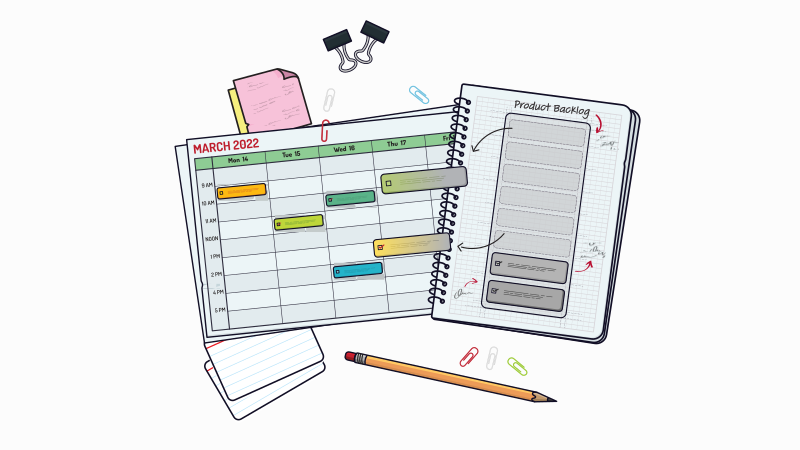
Estimating & Planning
Best when estimating, forecasting, or planning practices are creating confusion, missed expectations, or unreliable delivery. This may include improving estimation approaches, planning conversations, and how teams communicate expectations and uncertainty.

Leadership Alignment
Best when leaders need a shared understanding of how priorities, expectations, planning, and tradeoffs affect agile teams. This may include aligning on how work is prioritized, how plans are communicated, and how leaders support teams in delivering value.
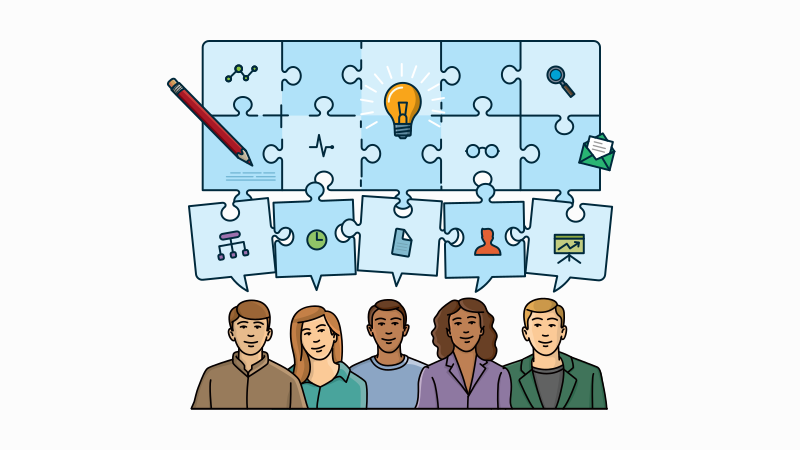
Agile Coaching
Best when teams, product owners, Scrum Masters, or leaders need help applying agile practices to real work. This may include observing teams, providing feedback, facilitating key conversations, and helping individuals and teams adjust how they work.
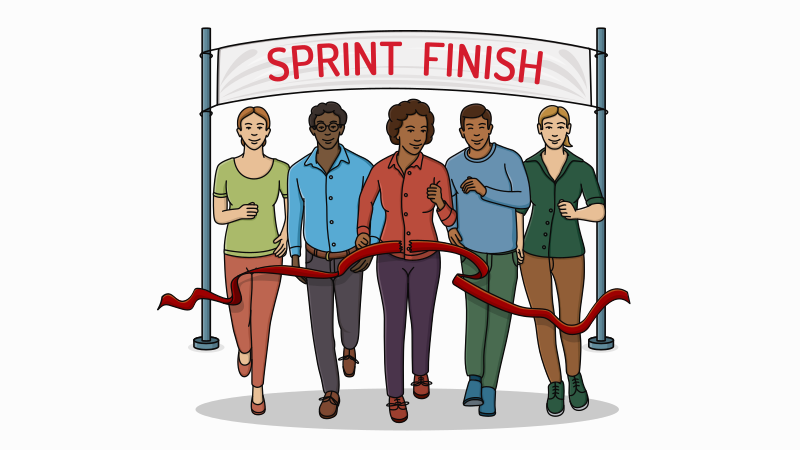
Team Improvement Sprints
Best when teams need training, hands-on application, reflection, and follow-through support spread across several weeks. This may include helping teams apply new practices between sessions and return with real questions from their own work.
Our Approach

We start with the challenge you want to solve.
From there, we recommend the combination of workshops, coaching, facilitation, Team Improvement Sprints, and support that best fits your situation.
Participants work with real backlogs, real planning challenges, real Scrum events, and real product decisions so teams can apply what they learn immediately.
You do not need to know which service is right before contacting us. We’ll help identify what is getting in the way and recommend a practical next step.