
Understanding that not everything needs to be a user story starts with knowing the difference between a user story and a task.
Well that’s an easy question, I thought, the first time I was asked.“ The difference is …,” I began to reply and realized it wasn’t actually such an easy difference after all.
I’d been using the two terms, “user story” and “task” in my classes for years, and they seemed pretty distinct in my head. User stories were on the product backlog and tasks were identified during sprint planning and became part of the sprint backlog.
That was fine but wasn’t very helpful—it was like saying “salt is what goes in a salt shaker and pepper is what goes in a pepper grinder.” Sure, stories go on the product backlog and tasks go on a sprint backlog. But what is the essential difference between the two?
I paused for a second the first time I was asked that question, and realized I did know what the difference was. A story is something that is generally worked on by more than one person, and a task is generally worked on by just one person.
Let’s see if that works …
A user story is typically functionality that will be visible to end users. Developing it will usually involve a programmer and tester, perhaps a user interface designer or analyst, perhaps a database designer, or others.
It would be very rare for a user story to be fully developed by a single person. (And when that did happen, the person would be filling multiple of those roles.)
A task, on the other hand, is typically something like code this, design that, create test data for such-and-such, automate that, and so on. These tend to be things done by one person.
You could argue that some of them are or should be done via pairing, but I think that’s just a nuance to my distinction between user story and task. Pairing is really two brains sharing a single pair of hands while doing one type of work. That’s still different from the multiple types of work that occur on a typical story.
I have, however, used a couple of wiggly terms like saying tasks are typically done by one person. Here’s why I wiggled: Some tasks are meetings—for example, have a design review between three team members—and I will still consider that a task rather than a user story.
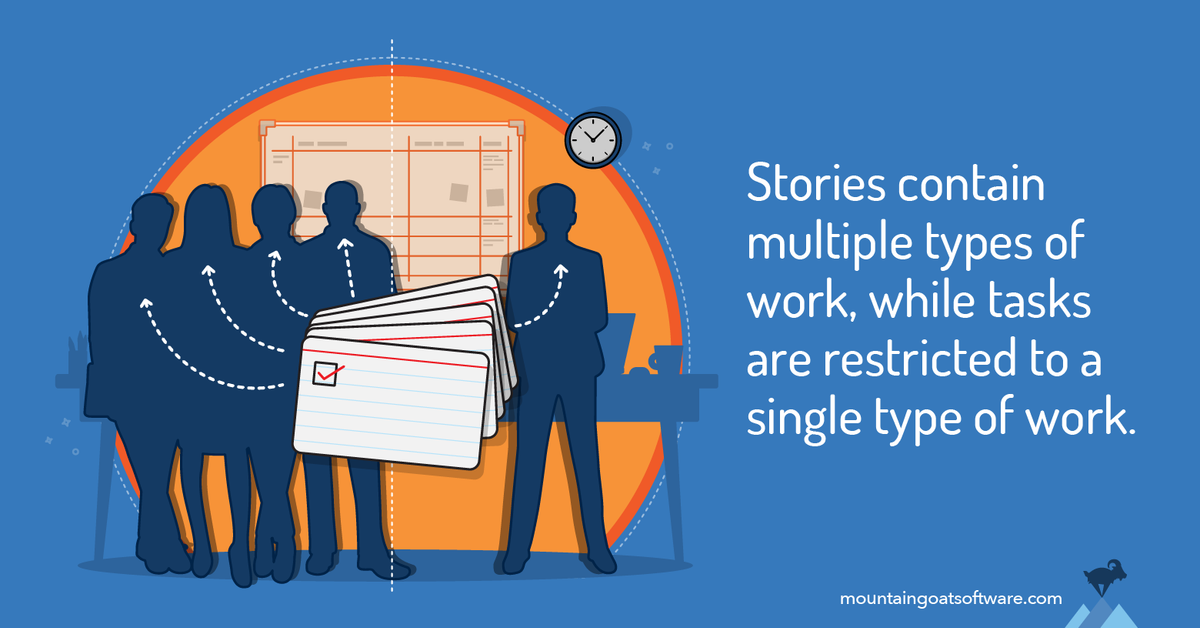
So, perhaps the better distinction is that stories contain multiple types of work (e.g., programming, testing, database design, user interface design, analysis, etc.) while tasks are restricted to a single type of work.

Not Everything Needs To Be A User Story
FeaturedUser stories are useful, but forcing every backlog item into story form can make the backlog worse. The purpose of a backlog item is to help the team understand, discuss, order, and deliver work.
Job Stories vs User Stories: What's the Difference?
FeaturedLet's talk about job stories vs user stories? What's the difference and when do you use one over the other? Learn more about what job stories are, the job story template, and when to use each (and when to use both) in this video.
Story Splitting Quick Reference
FeaturedGet a quick reference your team can use in refinement to spot oversized stories, avoid task-based splits, and find smaller stories they can finish within a sprint. Download a quick guide to help your team split…

Product Backlog
A product backlog is a prioritized list of possible future work for a product. It helps the Product Owner and team decide what to build, fix, learn, or improve next.
Don’t Estimate the Sprint Backlog Using Task Points
Some teams like story points so much, they invent task points and use those for sprint planning. Bad idea.
Should a Team Assign Work During Sprint Planning?
Some teams assign all tasks upfront. Others don’t.
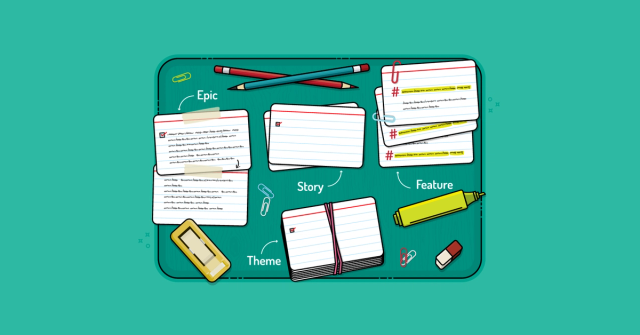
Epics, Features and User Stories
Clarify the difference between epics, features, and user stories without getting stuck on labels.
Product Backlog Refinement
Learn about product backlog refinement: how, when, and why the agile team and product owner refine the product backlog in Scrum.

Mastering User Stories
A one-day course where your team improves real backlog items while learning how to write, split, and refine better stories.
Why Your Scrum Team Still Works Like Individuals
Learn how handoffs, individual task ownership, and status-report daily scrums keep Scrum teams from collaborating—and what to change next sprint.
What Happens When During a Sprint
Succeeding with Scrum is easier when you know when and why to conduct each of the Scrum events during the sprint.
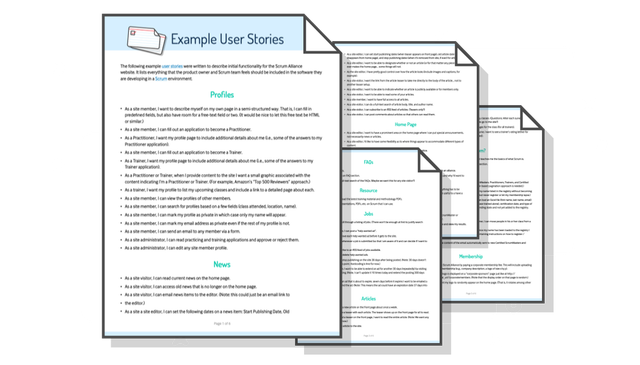
200 User Story Examples
Explore more than 200 user stories from three real product backlogs Mike Cohn created, and use them as practical examples for your own team. See user stories Mike Cohn wrote as part of several real product backlogs.
What Are Agile Story Points?
Understand what story points measure and why they are often misunderstood.
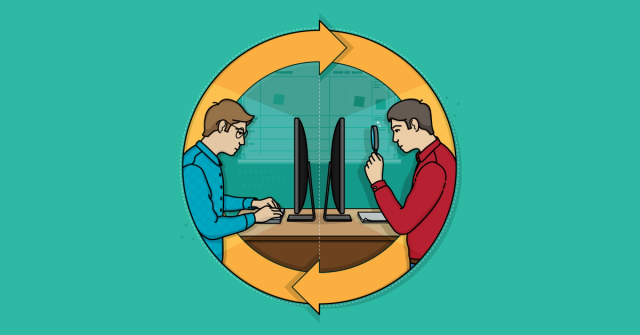
How Programmers and Testers (and Others) Should Collaborate on User Stories
What do the testers do at the start of a sprint when there’s nothing to test? That problem is solved through team collaboration.
Capacity-Driven Sprint Planning
Plan sprints around real team capacity instead of relying only on past velocity.
Your Team Won’t Think of Everything in Sprint Planning Meetings. And That’s OK.
Your team is probably spending too much time in sprint planning meetings. Here’s how to spend less time but plan better.
How to Use AI for Product Discovery and Writing Better User Stories
Use AI to support product discovery, user interviews, and writing better user stories.
When You Miss the Point of Sprint Planning Meetings
Refocus sprint planning on shared understanding, not exhaustive task prediction.
How to Stop Struggling with Sprint Planning
What are the danger signs that sprint planning is a struggle for your teams? And how can you turn it around?
Agile Teams: Concurrent Engineering & Overlapping Work
Help teams overlap work without losing alignment or quality.