
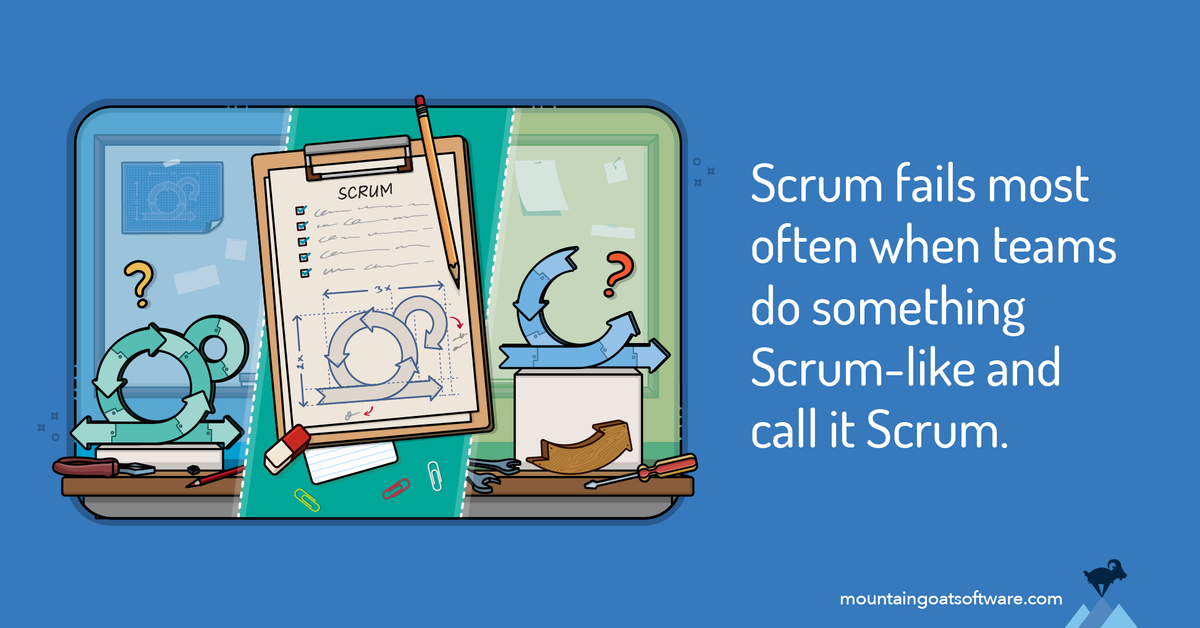
Scrum has a bad reputation in some organizations. In many cases, this is because teams did something they called Scrum, it didn’t work, and Scrum took the blame.
To counter this, when working with organizations, we like to define a small set of rules a team must follow if they want to say they’re doing Scrum. Enforcing this policy helps prevent Scrum from being blamed for Scrum-like failures.
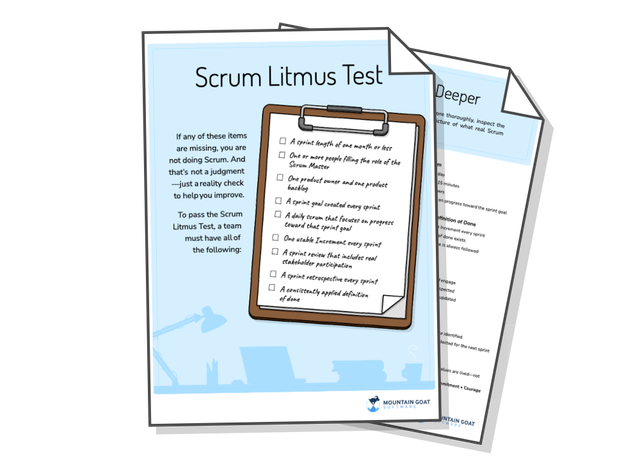
We’ve created a simple Scrum Litmus Test—a quick way for any team or organization to assess whether they are actually practicing Scrum.
It’s definitely not in full compliance with the Scrum Guide. For example, I have not included living the five Scrum values in the litmus test. In some ways, one could argue that living those values is the ultimate litmus test for whether a team is doing Scrum.
It's hard, though, for team members to know if they're living up to a value. So this litmus test uses simple yes/no statements that a team can use to determine whether they're really doing Scrum.
The Must-Have Basics of Scrum
If any of the items below are missing, *you are not doing Scrum*. And that’s not a judgment—just a reality check to help you improve.
To pass the Scrum Litmus Test, a team must have all of the following:
- A sprint length of one month or less
- One or more people filling the role of the Scrum Master
- One product owner and one product backlog
- A sprint goal created every sprint
- A daily scrum that focuses on progress toward that sprint goal
- One usable Increment every sprint
- A sprint review that includes real stakeholder participation
- A sprint retrospective every sprint
- A consistently applied definition of done
Miss just one of these, and you’re not doing Scrum—you’re doing something else.
Looking a Level Deeper
If you want to validate your Scrum implementation more thoroughly, inspect the nine categories below. Together they paint a fuller picture of what real Scrum looks like in practice.
1. Scrum Team Structure
- One Scrum Team, no sub-teams
- All three Scrum roles present: Product Owner, Scrum Master, Developers
- Product Owner = one person (never a committee)
- Scrum Master enables Scrum and helps the team improve
- Developers own completing work each sprint
2. Product Backlog & Product Goal
- One product backlog for the entire product
- Product owner orders the backlog
- A clear, visible product goal
- Backlog refinement happens continuously
3. Sprint Cadence
- Sprints are one month or less
- Sprint length stays consistent
- Each sprint begins immediately after the previous ends
- No work happens outside a sprint
4. Sprint Planning
- Happens every sprint
- A Sprint Goal is created
- A sprint backlog emerges from collaborative planning
5. Daily Scrum
- Occurs every day
- Timeboxed to 15 minutes
- Run by developers
- Always focused on progress toward the sprint goal
6. Increment & Definition of Done
- At least one usable Increment every sprint
- A shared definition of done exists
- The definition of done is always followed
7. Sprint Review
- Happens every sprint
- Stakeholders attend and engage
- Newly created value is inspected
- The product backlog gets updated
8. Sprint Retrospective
- Occurs every sprint
- Improvement opportunities are identified
- At least one improvement is selected for the next sprint
9. Scrum Values
Scrum only works when the five values are lived—not just listed on posters:
Focus • Openness • Respect • Commitment • Courage
Why This Matters
This test isn’t about enforcing rules for their own sake. Scrum is intentionally lightweight, and each element exists to create transparency, enable inspection, and drive adaptation. Remove even one and the whole framework weakens.
If your team discovers gaps as you go through this list, great—you’ve just found opportunities for improvement.
Want Help Improving?
Mountain Goat Software has been helping teams actually do Scrum—not just talk about it—for more than 20 years. Whether through training, coaching, or assessment, we can help your teams close the gaps revealed by this Scrum Litmus Test and reach a higher level of agility.
If your team wants to get better at Scrum, we’d love to help. You can read more here or you can schedule a call.
Scrum Litmus Test
FeaturedUse this quick checklist to assess whether a team or organization is truly practicing Scrum and identify where it has drifted. Get a copy of this quick way for any team or organization to assess whether they are…

Daily Scrum
FeaturedThe Daily Scrum is a short daily meeting that helps the team inspect progress toward the Sprint Goal and adapt its plan for the next day of work. Done well, it gives team members a shared understanding of what has…
Refinement Team Check
FeaturedWhat actually happened in your last 1–2 sprints? This team check helps you review how backlog refinement is really working by looking at what happened in your recent sprints and highlighting where to improve next.
Why Scrum Isn’t Working Even Though You’re Doing Scrum
Story splitting helps teams turn large user stories into smaller, valuable pieces they can finish within a sprint without turning them into tasks.

Product Backlog
A product backlog is a prioritized list of possible future work for a product. It helps the Product Owner and team decide what to build, fix, learn, or improve next.

Why Your Scrum Team Still Works Like Individuals
Learn how handoffs, individual task ownership, and status-report daily scrums keep Scrum teams from collaborating—and what to change next sprint.

Product Backlog Refinement
Learn about product backlog refinement: how, when, and why the agile team and product owner refine the product backlog in Scrum.
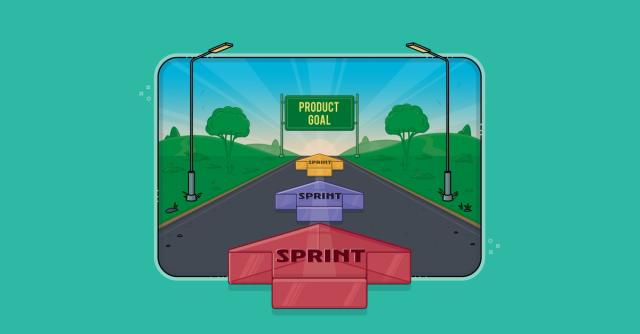
What Does a Product Owner Do, When, and Why?
Clarify what product owners do before work starts, during planning, and throughout each sprint.
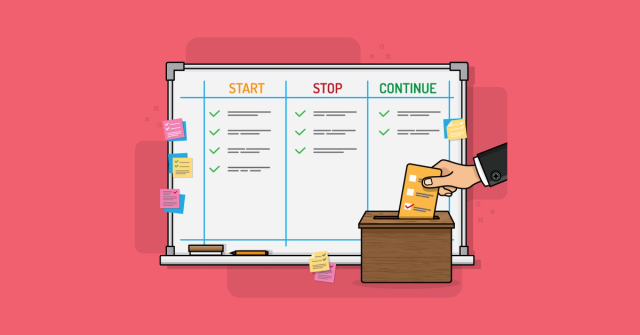
A Simple Way to Run a Sprint Retrospective
There are many ways you can run a sprint retrospective. Here’s the simplest way and still my favorite.
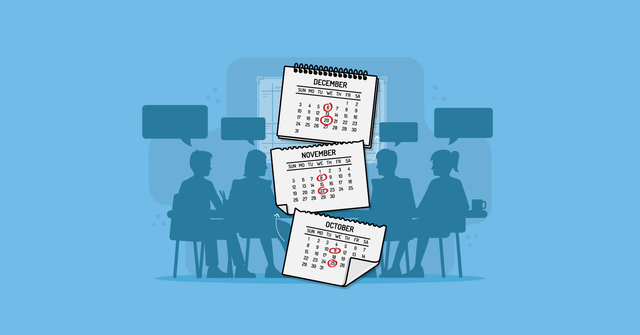
What Happens When During a Sprint
Succeeding with Scrum is easier when you know when and why to conduct each of the Scrum events during the sprint.
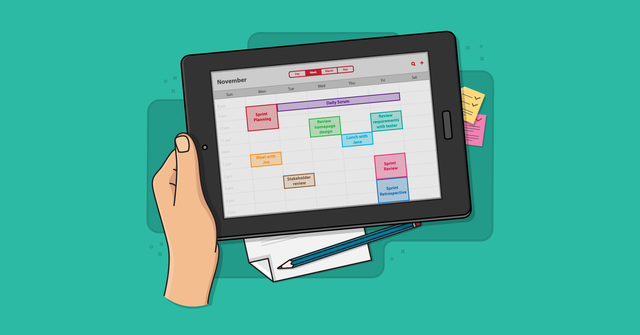
Does Scrum Have Too Many Meetings?
Are teams complaining about Scrum meetings? Learn why that happens, and how to fix it.

The Sprint Goal: What It Is and How It Can Help
Sprint goals are something every Scrum team should try to create. Learn what sprint goals are and what a good sprint goal looks like.

3 Ways to Ensure Agile Training Works to Transform Your Teams
The best agile training leads to real results. Learn how to ensure your investment pays off.

Top 7 Ways to Engage Stakeholders in Sprint Reviews
Poorly attended sprint reviews cause real problems. Fortunately there are easy fixes.

5 Reasons Product Owners Should Let Teams Work Out of Order
See when letting teams work out of strict backlog order can improve flow and outcomes.

3 Ways to Help Agile Teams Plan Despite Uncertainty
We might not like ambiguity, but it’s a fact of life. Find out how to plan with uncertainty in mind.

Can the Product Owner and the Scrum Master Be the Same Person?
Discover what pirates have to teach us about why the ScrumMaster and product owner require different skills, and different people.

Multiple Levels of Done
Define done at more than one level so expectations stay clear from story to release.

Should the Daily Scrum Be Person-by-Person or Story-by-Story?
Choose whether to discuss work person-by-person or story-by-story in daily scrum.

How to Engage & Help Busy Product Owners
With many competing pulls on their time, product owners can be hard to catch during a sprint. Learn how to help harried product owners seize opportunities to inspect and adapt outside the sprint review.