

“We tried agile and it didn’t work” is one of the most revealing things a leader can hear.
The comment can sound cynical, dismissive, or resistant. But often it is something more useful: evidence from a previous improvement effort.
People may have seen the organization rename meetings, assign new roles, update Jira workflows, adopt Scrum or Kanban, hire coaches, or launch a major transformation. For a while, everything may have looked more agile.
But the promised results did not appear.
Planning was still unreliable. Priorities still changed without meaningful tradeoffs. Product Owners still lacked the authority to make real decisions. Teams were still overloaded. Stakeholders still bypassed the backlog whenever something felt urgent. Sprint Reviews rarely generated useful feedback, and retrospectives kept uncovering the same issues without anything really changing.
When that happens, people do not need another speech about the benefits of agile.
They need evidence that this time the organization will improve the conditions around the work.
Why This Matters
Organizations rarely approach agile as a completely new idea anymore.
More often, leaders are trying to improve agility in an environment where people have already experienced one or more agile initiatives. Some helped. Others created frustration, skepticism, or change fatigue.
Understanding that history matters. The way leaders respond to skepticism can determine whether the next improvement effort gains credibility or repeats the same patterns that disappointed people before.
Start by Asking What Actually Failed
Do not start by defending agile.
Start by asking what happened.
Useful questions include:
-
What did agile promise here that did not happen?
-
Which parts helped, even a little?
-
Which parts felt like overhead?
-
What changed for teams but not for leaders, managers, or stakeholders?
-
Where did we add process without improving decisions?
-
What problems became visible but were not addressed?
-
What would need to be different for people to believe the next effort is serious?
-
What evidence would make you say, “This is helping”?
Those questions turn skepticism into information. They help leaders discover whether the last effort failed because of weak practices, unclear roles, too much work in progress, insufficient product ownership, leadership behavior, technical problems, or the system surrounding teams.
The goal is not to convince everyone that agile worked.
The goal is to understand what limited agility and improve it.
Don’t Dismiss Skepticism as Resistance
It is tempting to label skeptical people as resistant.
Sometimes that is accurate. People may prefer the current system. They may dislike uncertainty. They may worry about losing authority, status, predictability, or a familiar way of working.
But in many organizations, skepticism about agile is not resistance to a new idea. It is a reaction to lived experience.
They may have seen this before: a big announcement, a few classes, new meetings, new role names, maybe a new tool. Then, after a few months, the energy fades and the old ways of making decisions return.
Teams are told they are empowered, but every important decision still gets escalated. Leaders say they want agility, but priorities keep changing without tradeoffs. People are told to be transparent, but the first bad news they share is used against them.
In that context, “we tried agile and it didn’t work” may mean:
-
We changed the meetings but not the decisions.
-
We changed the team structure but not the work in progress.
-
We changed job titles but not authority.
-
We adopted a framework but not the mindset behind it.
-
We were told to be transparent, then punished for surfacing problems.
-
We were asked to commit to fixed scope and fixed dates, just in shorter increments.
-
We had more ceremonies but not more learning.
-
We did agile to teams instead of improving agility with them.
Leaders should treat that skepticism as data. It points to what the next improvement effort needs to address.
What People Usually Mean by “Agile Didn’t Work”
When someone says agile did not work, ask what they mean.
The answer matters because agile can disappoint in different ways.
It Did Not Make Us Faster
Many organizations start agile hoping teams will deliver faster.
That may happen eventually, but agile does not create speed by asking overloaded teams to do the same work in shorter cycles. Agile improves delivery by making work visible, creating shorter feedback loops, reducing waste, clarifying priorities, improving teamwork, and helping the organization make better tradeoff decisions.
If the organization kept starting too much work, splitting people across too many initiatives, or inserting urgent requests without removing anything else, agile may have made the overload more visible without solving it.
That can feel like agile failed.
The deeper problem may have been focus.
It Did Not Make Planning Easier
Agile planning is not a way to make uncertainty disappear.
It is a way to make uncertainty discussable sooner.
If leaders expected agile teams to provide perfect predictability while priorities changed constantly, dependencies remained unmanaged, and scope was treated as fixed, planning probably became frustrating for everyone.
Teams may have felt pressured into false certainty. Leaders may have felt teams were avoiding commitment. Stakeholders may have heard ranges or tradeoffs as excuses.
The problem may not have been agile planning. The problem may have been that planning was never treated as a shared problem.
It Did Not Empower Teams
Some organizations tell teams they are empowered but leave the old decision system in place.
The Product Owner cannot really prioritize. Stakeholders bypass the backlog. Managers still assign work directly to individuals. Technical decisions require approval from people far from the work. Teams are asked to self-organize, but only within narrow boundaries that have already determined the answer.
That creates symbolic empowerment.
Symbolic empowerment is worse than no empowerment because it raises expectations and then disappoints people.
When people say agile did not work, they may mean they were promised ownership but given process.
It Added Meetings Without Improving Decisions
Agile events are meant to create feedback, alignment, adaptation, and accountability.
They are not valuable just because they happen.
A Daily Scrum that becomes a status meeting does not improve teamwork. A Sprint Review without stakeholders or meaningful feedback does not improve product decisions. A Retrospective that surfaces the same issue every sprint without action does not improve the team. Sprint Planning that ends with a list of tasks but no shared goal does not create focus.
When agile becomes a meeting structure rather than a learning system, people understandably conclude that agile is overhead.
It Revealed Problems No One Wanted to Fix
Agile often makes problems visible before it makes anything better.
A shorter cycle can reveal weak product ownership. A Sprint Review can reveal stakeholder disagreement. A Retrospective can reveal unresolved teamwork issues. A forecast can reveal that a date is unrealistic. A visible backlog can reveal too many priorities. A team trying to finish work each sprint can reveal technical debt, dependency problems, unclear roles, or insufficient testing practices.
That visibility can be uncomfortable.
When the organization responds by blaming agile, blaming teams, or ignoring the problems, the initiative stalls. But agile may not have created the problem. It may have revealed a problem the organization was already carrying.
The better response is to ask: What did agile show us that we still need to solve?
Separate Agile from the Failed Implementation
Agile is not the same as the last implementation of agile.
It is not a tool, a meeting calendar, a certification path, a job-title change, or a scaling framework. Those things may support agility, but none of them guarantees it.
At its core, agility is the ability to deliver valuable work, learn from feedback, respond to change, and make better decisions under uncertainty.
A failed implementation may have included agile language without agile behavior.
For example:
-
The organization said “responding to change” but treated every plan as fixed.
-
Leaders said “empowerment” but overruled uncomfortable product decisions.
-
Teams said “Sprint Review” but showed work to each other instead of learning from stakeholders.
-
Managers said “focus” but kept starting more initiatives.
-
Product Owners said “backlog” but managed a storage place for requests rather than a strategy for value.
-
Teams said “done” but left testing, integration, documentation, or release work for later.
-
Coaches said “self-managing,” but leaders did not create the boundaries that made self-organization possible.
When people say agile did not work, leaders need to understand whether agile was actually tried or whether the organization tried a version of agile stripped of the leadership behavior, product discipline, technical practices, and teamwork needed to make it work.
Why Agile Improvement Efforts Disappoint
The most common causes of disappointment are rarely mysterious.
They tend to show up in familiar patterns.
Agile Became Process Without Mindset
The visible parts of agile are easy to copy.
Teams can schedule sprints, hold Daily Scrums, create backlogs, estimate stories, and run retrospectives. Those practices can help, but they do not automatically change how the organization thinks about uncertainty, control, feedback, collaboration, or accountability.
If the old mindset remains, agile becomes process theater.
Teams do the events, but the real decisions are still made elsewhere. Leaders talk about outcomes but measure activity. Stakeholders say they want flexibility but expect every original commitment to remain unchanged. Teams are told to inspect and adapt, but only within boundaries that keep the old system intact.
Leaders Delegated Agile Instead of Living It
Teams can improve many things themselves.
They can improve refinement, collaboration, estimation, testing, and how they plan their work. But some obstacles sit outside the team: funding rules, portfolio overload, unclear authority, competing priorities, overloaded specialists, unrealistic dates, inconsistent stakeholder behavior, and incentive systems that reward the wrong things.
Teams cannot solve those problems alone.
When leaders delegate agile to teams, Scrum Masters, coaches, or a transformation office, the initiative sends a mixed message: teams should change, but the system around them will remain mostly the same.
People notice.
They learn that transparency is risky, that leadership behavior is exempt, and that agile is something teams are expected to perform rather than something the organization is using to improve.
Work in Progress Stayed Too High
Agile does not work well when the organization keeps starting too much.
Too much work in progress causes context switching, delays, dependency problems, unfinished work, quality issues, and unreliable forecasts. Teams may look busy while less gets finished.
This often gets interpreted as a team problem.
Leaders see slow progress and ask teams to commit harder, estimate better, or improve velocity. But if the system is overloaded, better ceremonies will not fix the problem. The organization needs to make harder priority decisions.
Focus is not a motivational slogan. It is a leadership discipline.
Product Ownership Was Too Weak
Many agile disappointments are really product ownership disappointments.
A team may have someone called a Product Owner, but that person may not have enough authority to make priority decisions, say no, clarify tradeoffs, or protect the team from competing demands.
When everyone can influence the backlog but no one can make the final priority call, the backlog becomes a collection of requests. The team can deliver many items and still fail to deliver the right outcomes.
Weak product ownership makes agile look ineffective because teams are busy, but the work does not add up to enough value.
Teams Were Standardized Instead of Supported
Some organizations respond to inconsistent agile practices by standardizing everything.
A little consistency can help. Shared language, clear expectations, common definitions, and useful guardrails can prevent confusion.
But excessive standardization creates another problem. Teams stop adapting. They follow rules that may not fit their work. They focus on compliance instead of improvement. They lose ownership of how they work.
The goal is enough consistency to stay aligned and enough autonomy to keep learning.
The Organization Scaled Problems Instead of Solving Them
Scaling agile can help when multiple teams need to coordinate around shared goals.
But scaling too soon can spread dysfunction.
Weak product ownership becomes weak product ownership across more teams. Too much work in progress becomes a larger traffic jam. Poor technical practices create integration problems across the system. Unclear priorities become more expensive. Teams that cannot finish work inside one sprint now need additional meetings to coordinate unfinished work across many teams.
If agile disappointed at scale, the organization may need to step back and ask whether it scaled success or scaled unresolved problems.
Rebuild Credibility Through Small, Visible Improvements
After a disappointing agile initiative, credibility is rebuilt through evidence, not slogans.
Do not announce another sweeping transformation with a new name. Do not promise that this time everything will be different. Do not start by asking people to trust the process.
Start by improving something real.
1. Acknowledge the Previous Experience
Leaders should be honest about what happened.
That does not mean declaring the previous effort a failure. It may have helped in some ways. It may have improved transparency, created useful practices, introduced better language, or helped some teams.
But leaders should also acknowledge what disappointed people.
For example:
“Last time, we changed team practices faster than we changed leadership behavior.”
Or:
“We introduced agile meetings, but we did not give Product Owners enough authority.”
Or:
“We asked teams to be more predictable while continuing to change priorities without tradeoffs.”
That kind of honesty lowers defensiveness. It tells people leaders have learned something.
2. Name the Outcome You Want to Improve
Do not restart with “we need to be more agile.” That is too vague to guide decisions and too easy for people to dismiss.
Start with a real outcome. Maybe the organization needs to reduce unfinished work, improve planning reliability, increase stakeholder trust, shorten feedback loops, improve quality, or clarify product ownership.
The specific outcome matters less than making it concrete. People should be able to tell whether the next few changes are helping.
A clear outcome gives people something better than “trust us, this time agile will work.” It gives them something they can observe.
3. Choose a Small Improvement
Pick one improvement that is small enough to try and visible enough to matter.
That might mean having leaders attend the next few Sprint Reviews and ask what was learned. It might mean clarifying which product decisions the Product Owner can make without escalation. It might mean reducing the number of active initiatives for a quarter, trying a different refinement approach for two sprints, or replacing a status meeting with a real obstacle-removal conversation.
The exact improvement will depend on the outcome you named. If you want clearer priorities, work on priority decisions. If you want more honest planning, change the planning conversation. If you want stronger feedback, improve the Sprint Review.
The point is to pick something real. Not a slogan. Not a principle. A change people can see, try, and inspect.
4. Put Improvements in an Improvement Backlog
An improvement backlog makes the work of improving agility visible.
Without one, improvement stays vague. Everyone agrees the organization should get better, but no one can see what is being tried, what is waiting, or what has already been learned.
The backlog does not need to be complicated. It might include team-level improvements, cross-team improvements, and leadership-level improvements. One item might be about improving stakeholder participation in Sprint Reviews. Another might be about clarifying Product Owner authority. Another might be about reducing work in progress, strengthening technical practices, improving story splitting, or removing a recurring dependency bottleneck.
The backlog should be ordered because not everything can be improved at once. That ordering is useful. It forces leaders and teams to have the same kind of tradeoff conversations they want teams to have about product work.
5. Review What Happened
Every improvement should be inspected.
After trying a change, pause long enough to ask whether it helped. What changed? What did we learn? What surprised us? Should we continue, adjust, or stop? Is there something another team or leader should learn from this?
This is where credibility starts to return.
People do not need every experiment to work. They will trust the effort more if leaders are honest about what did not work. What they need to see is that the organization is paying attention, telling the truth, and changing based on evidence.
Use the Five Pillars to Diagnose What Went Wrong
When agile disappoints, leaders often reach for the most visible fix.
Train the teams again. Change the tool. Reconfigure the workflow. Add a coach. Adopt a framework. Create a new dashboard.
Any of those might help.
But they might also solve the wrong problem.
The five pillars help leaders diagnose what is limiting agility now.
Mindset
Do people understand why they are being asked to work differently?
Skepticism may be a mindset issue if people see agile as a management fad, a delivery-speed mandate, or a set of ceremonies imposed from above.
But mindset is not improved by cheerleading. It improves when people see a credible connection between agile practices and better outcomes.
Practices
Are teams using practices that help them deliver, inspect, and adapt?
Skepticism may be a practices issue if teams do not know how to split work small enough, refine effectively, test within the sprint, collaborate across specialties, or use retrospectives to create meaningful improvement.
In that case, people may not need more persuasion. They may need better skills and support.
Roles
Are responsibilities and decision rights clear?
Skepticism may be a roles issue if Product Owners lack authority, Scrum Masters are treated as meeting schedulers, managers are unsure how to support self-organization, or stakeholders do not know how to work through the backlog.
Role confusion creates frustration that people may blame on agile.
Teamwork
Are people working as a real team?
Skepticism may be a teamwork issue if work still moves through individual handoffs, specialists remain isolated, testing happens late, or people optimize for completing their own tasks rather than finishing valuable work together.
Agile exposes the difference between a team and a group of individuals.
Outside-the-Team Support
Are leaders, stakeholders, managers, and surrounding functions changing how they interact with teams?
Skepticism may be an outside-the-team support issue if stakeholders insert urgent work without tradeoffs, leaders pressure teams for fixed answers too early, HR policies reward individual heroics, finance rules reinforce project thinking, or governance processes require large batches of work.
Many agile disappointments live here.
Teams can improve their practices, but they cannot become fully agile while the surrounding system keeps pulling them back.
What Leaders Need to Do Differently This Time
A renewed agile effort does not become credible because leaders choose a better slogan.
It becomes credible when leaders behave differently.
Make the Problem Shared
When teams say something is too much, too soon, or too unclear, do not treat that as refusal.
Treat it as information.
A team saying “we cannot do all of that by then” may be opening the door to a better planning conversation. What is driving the size? Which features matter most? What can be simplified? What can be deferred? What tradeoff would produce the best outcome?
Leaders rebuild trust when they help solve the problem instead of handing the problem down.
Ask for Truth, Not Reassurance
Teams learn quickly what leaders really want.
If leaders reward reassuring answers, teams will provide reassurance. If leaders punish bad news, teams will hide bad news. If leaders treat uncertainty as incompetence, teams will pretend to be certain.
Better leadership questions include:
-
What assumptions are we making?
-
What could derail this plan?
-
What do we need to learn soon?
-
What tradeoffs should we discuss?
-
What decision do you need from me?
-
What would make this easier or more likely to succeed?
-
What are we not saying yet?
A team that can tell the truth early gives leaders more options.
Protect Focus
Leaders improve agility by helping teams finish.
That often means reducing work in progress, limiting interruptions, clarifying priorities, and making tradeoffs visible.
If the organization keeps saying yes to everything, teams will keep disappointing someone.
Real prioritization requires disappointment. If no one is disappointed, the organization probably has not prioritized. It has only rearranged the list.
Strengthen Product Ownership
A Product Owner needs more than a title.
Product ownership requires authority, availability, product judgment, stakeholder trust, and the ability to make tradeoffs.
When leaders strengthen product ownership, teams get clearer direction. Stakeholders get a more coherent decision process. The backlog becomes a strategy for value rather than a storage place for requests.
Change the System Around Teams
Teams should improve how they work.
But leaders should also ask what the organization must change around those teams.
That might mean:
-
reducing active initiatives;
-
changing how priorities are decided;
-
clarifying decision rights;
-
improving stakeholder participation;
-
changing measures that reward the wrong behavior;
-
making time for improvement work.
People will believe the next agile effort when they see leaders changing the system, not just asking teams to change their practices.
Involve Skeptics in the Improvement
Skeptics can help.
A thoughtful skeptic may notice risks enthusiasts miss. They may remember what failed last time. They may have credibility with others who are waiting to see whether this effort is real.
Do not give skeptics veto power over improvement. But do give them a voice.
Invite them to help define the problem. Ask them what evidence would change their mind. Include them in improvement conversations. Give them a role in identifying risks. Ask them to review proposed experiments and point out what might go wrong.
A useful question is:
“What would make this improvement worth trying, even if you are not yet convinced it will work?”
That question does not demand belief. It asks for participation.
When to Stop Calling It Agile
Sometimes the word agile carries too much baggage.
If people have been through multiple disappointing initiatives, the label may get in the way. Leaders do not always need to start by asking people to recommit to agile.
They can start with the problems people already care about. Maybe the organization needs to finish more of what it starts, have better planning conversations, reduce rework, make stronger product decisions, get faster feedback from stakeholders, avoid late surprises, or help teams and leaders make tradeoffs together.
Those are agile goals even if the word agile is not emphasized.
The organization can improve agility without making people argue again about whether agile worked last time.
A Better Response to “We Tried Agile and It Didn’t Work”
When someone says, “We tried agile and it didn’t work,” try responding with curiosity.
You might say:
-
“Tell me what happened.”
-
“What did you hope agile would improve that it didn’t?”
-
“What changed for teams, and what stayed the same around them?”
-
“What would we need to do differently for this to be worth trying again?”
Those questions change the conversation.
Instead of defending agile, leaders start learning from the organization’s experience. Instead of asking people to forget the last effort, leaders use that history to avoid repeating it.
That is the beginning of a more credible improvement effort.
Is Your Organization Ready to Improve Agility Again?
Use these questions to decide where to start:
-
Do we know what disappointed people last time?
-
Have leaders acknowledged what did not change enough?
-
Are we focused on a business outcome rather than “being more agile”?
-
Are improvement items visible in an improvement backlog?
-
Are leaders prepared to change the system around teams?
-
Do Product Owners have enough authority to make meaningful priority decisions?
-
Are teams carrying too much work in progress?
-
Are stakeholders participating in feedback and tradeoff conversations?
-
Are we using agile events to learn, or just to report status?
-
Are skeptics being heard as sources of information?
-
Are we trying small improvements and inspecting the results?
-
Do people see evidence that this effort is different?
Use the answers to find the next conversation.
FAQ
Should we try agile again if it failed before?
Yes, if the organization is willing to learn from what happened. Do not repeat the same rollout with new terminology. Start by identifying what disappointed people, what outcomes matter now, and what leaders will change in the system around teams.
Is skepticism about agile a bad sign?
No. Skepticism can be useful. It often contains information about previous attempts, unresolved obstacles, weak leadership support, or ways agile was implemented as process without meaningful improvement.
What if people hate the word agile?
Do not start with the word. Start with the problem. Improve planning reliability, reduce unfinished work, increase stakeholder feedback, clarify product ownership, or help teams finish more of what they start. Those improvements build agility even when the label is not useful.
How do we know whether agile really failed?
Ask what agile was expected to improve and what actually changed. If the organization adopted meetings, roles, or tools but did not change decision-making, product ownership, work in progress, leadership behavior, technical practices, or stakeholder involvement, agile may not have been fully tried.
Should we hire agile coaches?
Coaches can help, but only if leaders are willing to act on what the coaches help reveal. Coaching teams without changing the system around them often produces temporary improvement followed by frustration.
How can leaders rebuild trust after a failed agile initiative?
Acknowledge the previous experience, name a concrete outcome, choose a small visible improvement, make leadership behavior part of the change, inspect results, and share what is learned. Trust returns through evidence.
What is the first improvement we should try?
Choose something painful, visible, and small enough to inspect quickly. Common starting points include clarifying Product Owner authority, reducing active initiatives, improving Sprint Reviews, making planning a shared problem, or creating a small improvement backlog.
Need Help Making Agile Work Better This Time?
If your organization tried agile and did not get the results you expected, the answer is not another slogan or another rollout.
Mountain Goat Software can help you understand what happened, identify the next improvement opportunities, strengthen leadership support, clarify roles, create improvement backlogs, and rebuild trust through small, visible improvements.
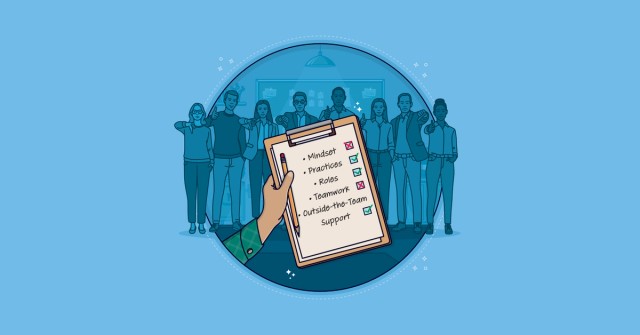
We Tried Agile and It Didn’t Work
Featured“We tried agile and it didn’t work” is one of the most revealing things a leader can hear.

Leading Agile Initiatives: How Leaders Help Agile Change Succeed
FeaturedAn agile initiative is not mainly a one-time rollout of Scrum, Kanban, SAFe, Jira, new job titles, or a different meeting calendar.
Does Scrum Have Too Many Meetings?
FeaturedAre teams complaining about Scrum meetings? Learn why that happens, and how to fix it.

Nine Questions Scrum Masters and Product Owners Should Be Asking
Use better questions to improve collaboration, decision-making, and team ownership.

When Do Agile Teams Make Time for Innovation?
Make space for innovation inside short sprint cycles.

Agile Teamwork
Learn how agile teams share responsibility, reduce handoffs, and finish valuable work together.

Why Soft Skills Outlast Technical Skills on Product Development Teams
Soft skills are the ones that can lead to lasting success.

Top 7 Ways to Engage Stakeholders in Sprint Reviews
Poorly attended sprint reviews cause real problems. Fortunately there are easy fixes.
Getting Better Estimates Is Easier Than You Think
Is your team hesitant to estimate? Here's the secret: we're not as bad (or as good!

How to Get Teams Aligned on What It Means to Be Agile
Align leaders, teams, and stakeholders around what agile really means.

Why Your Scrum Team Still Works Like Individuals
Learn how handoffs, individual task ownership, and status-report daily scrums keep Scrum teams from collaborating—and what to change next sprint.

Should the Daily Scrum Be Person-by-Person or Story-by-Story?
Choose whether to discuss work person-by-person or story-by-story in daily scrum.

25 Questions that Will Help You Know Your Teammates Better
Use questions to build trust, connection, and stronger collaboration across agile teams.

How Much Can You Really Tinker with Scrum?
Does Scrum work if you don’t have a Scrum Master? What about sprints?

How to Use AI for Product Discovery and Writing Better User Stories
Use AI to support product discovery, user interviews, and writing better user stories.

7 Questions to Determine if Being a Scrum Master Is Right for You
Thinking of a career as a Scrum Master? 7 questions to help you decide if it's the right job for you.
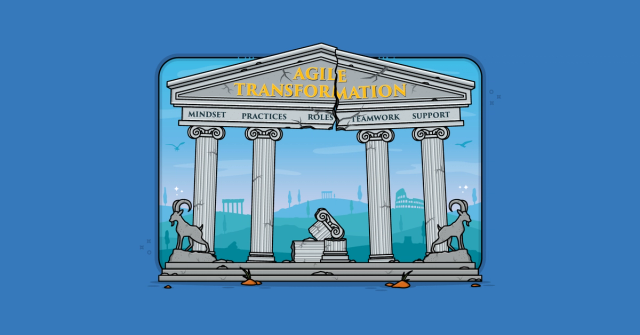
The Five Pillars of a Successful Agile Transformation
Discover the secret to a successful agile transformation and learn what to try if your organization is struggling.

When Planning Should Become A Shared Problem
Turn planning pressure into a shared conversation about options and tradeoffs.
What Happens When During a Sprint
Succeeding with Scrum is easier when you know when and why to conduct each of the Scrum events during the sprint.

How to Reward Agile Teams
Incentives and bonuses can be used to reward agile teams but must be aligned with agile principles. Here are some tips on how to do that.

Multiple Levels of Done
Define done at more than one level so expectations stay clear from story to release.

Why Scrum Isn’t Working Even Though You’re Doing Scrum
Story splitting helps teams turn large user stories into smaller, valuable pieces they can finish within a sprint without turning them into tasks.

Why I Don’t Emphasize Sprint Goals
Sprint goals are considered a mandatory part of Scrum. Here’s why I disagree.

Be a Great Product Owner: Six Things Teams and Scrum Masters Need
See what teams and Scrum Masters need most from a product owner to make delivery smoother.